
Exhibits
On the Edge of the Pacific
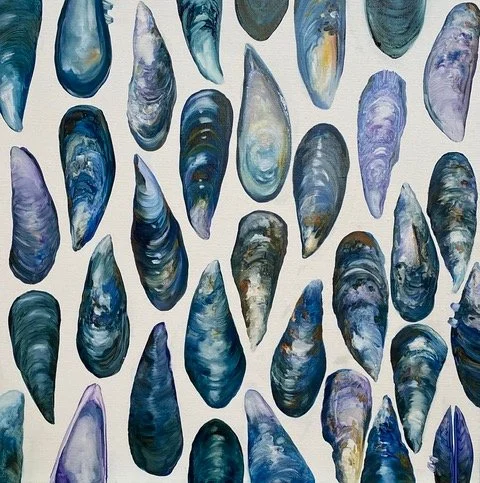
Monica Loncola’s exhibition represents a body of work resulting from completing a Masters Certification in Science Illustration at CSUMB, an internship with the Western Flyer Foundation and a trip to the Sea of Cortez with the refurbished vessel commemorating the 85th anniversary of the voyage made by Ed Ricketts and John Steinbeck in 1940, documented in the novel “The Sea of Cortez”.
Through detailed illustration and scientific observation, the exhibition bridges art and science to reveal the interconnectedness of coastal ecosystems. By highlighting both beauty and vulnerability, the work invites audiences to reflect on their relationship with the ocean and the responsibility we share in protecting it.
Exhibition Dates: September 16 - January 3

Beyond Illustrating Nature
In partnership with the CSUMB’s Science Illustration Certificate Program, this quarterly rotating exhibit features graduates from the program and exemplifies the matrix of science, art, and nature. Our current featured artist is McKenzie Floyd.


Landscapes of Presence
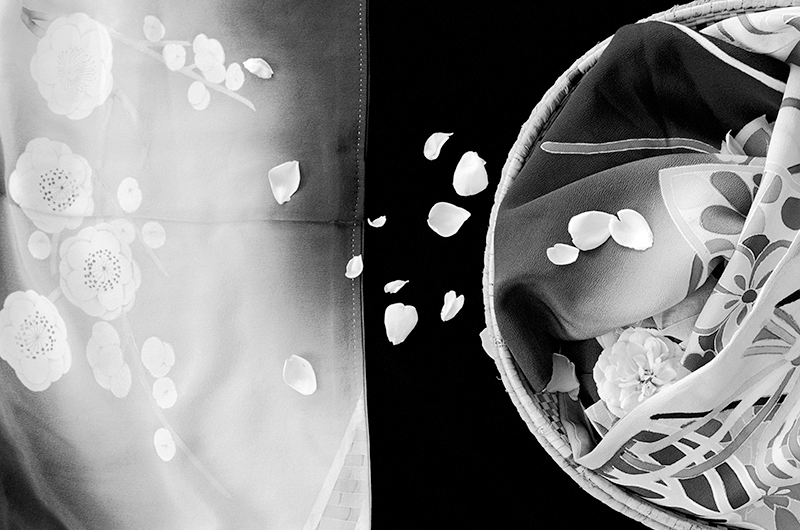
Jerry Takigawa
June 9 - September 12, 2027
Upcoming Exhibits
On the Edge of the Pacific
Monica Loncola
September 16, 2026 - January 3, 2027
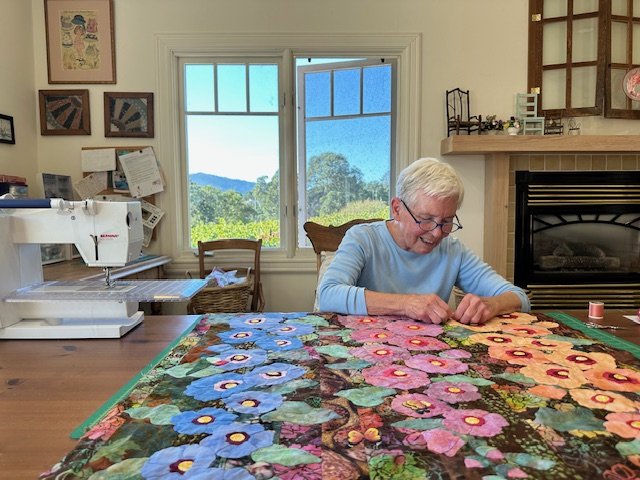
From Quilt to Vineyard: Art in Every Bottle
Mary Parsons
January 6 - April 25, 2027
The Art of Observation: Recording Monterey County’s Natural World at the Monterey Regional Airport
-
![]()
Case 1: Chautauqua Literary & Scientific Circle
Founded in 1881, the Chautauqua Literary and Scientific Circle (CLSC) in Pacific Grove offered educational opportunities focusing on nature to lifelong learners which led to the creation of the Pacific Grove Museum of Natural History.
-
![]()
Case 2: Wings of Wood: The Art of Wesley Haack
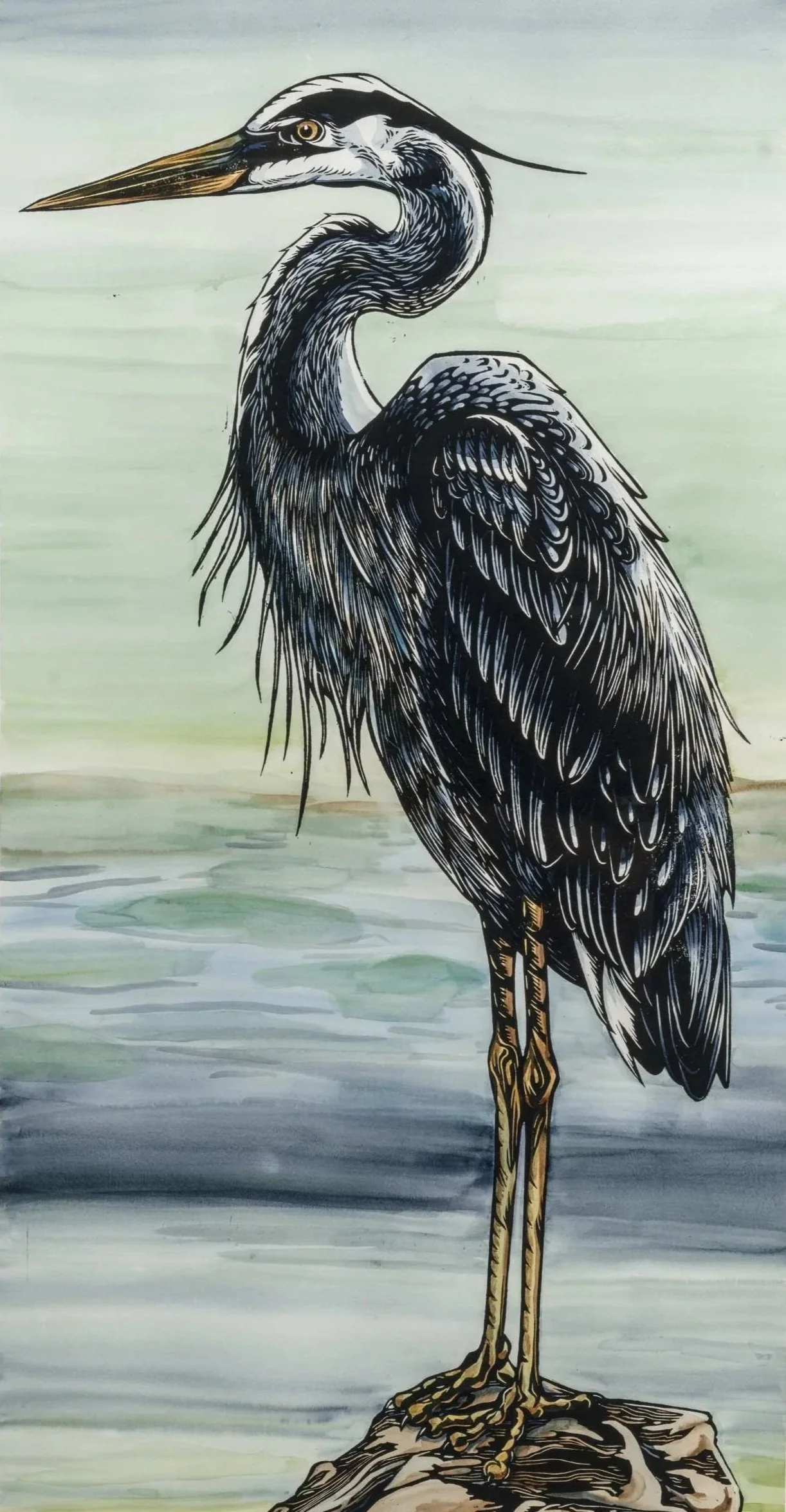
"Wings of Wood" is a series of hand carved, to scale woodblock prints of birds by Wesley Haack, aiming to honor nature and capture the connection between humans and wildlife through art.
-
![]()
Case 3: Rumsen áchsest-akai
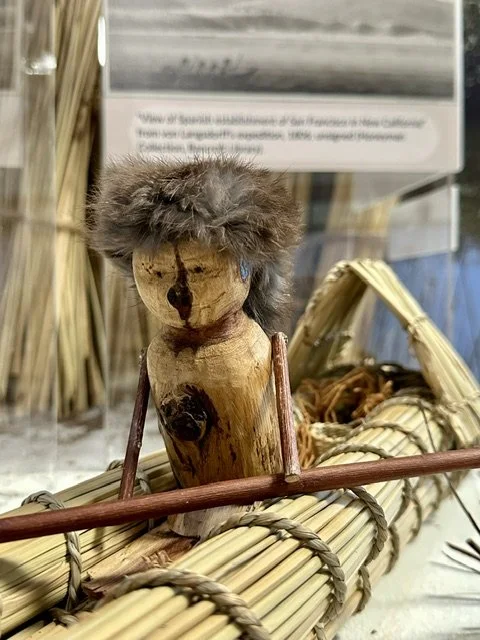
Starting in 2023, Linda Yamane guided Violet Smith through an apprenticeship under the ACTA Apprenticeship Program. Together, they harvested materials and wove baskets, with Linda sharing her expertise in the Rumsen Ohlone basket-making tradition.
-
![]()
Case 4: Jade Beneath the Sea
For centuries, artists have used jade to create sculptures inspired by nature, like the works of Don Wobber, who drew on his deep respect for the natural form of jade, paired with poetry by his wife, Donna, to enhance the connection between art, language, and the natural world.
-
![]()
Case 5: Fengwei Zhang
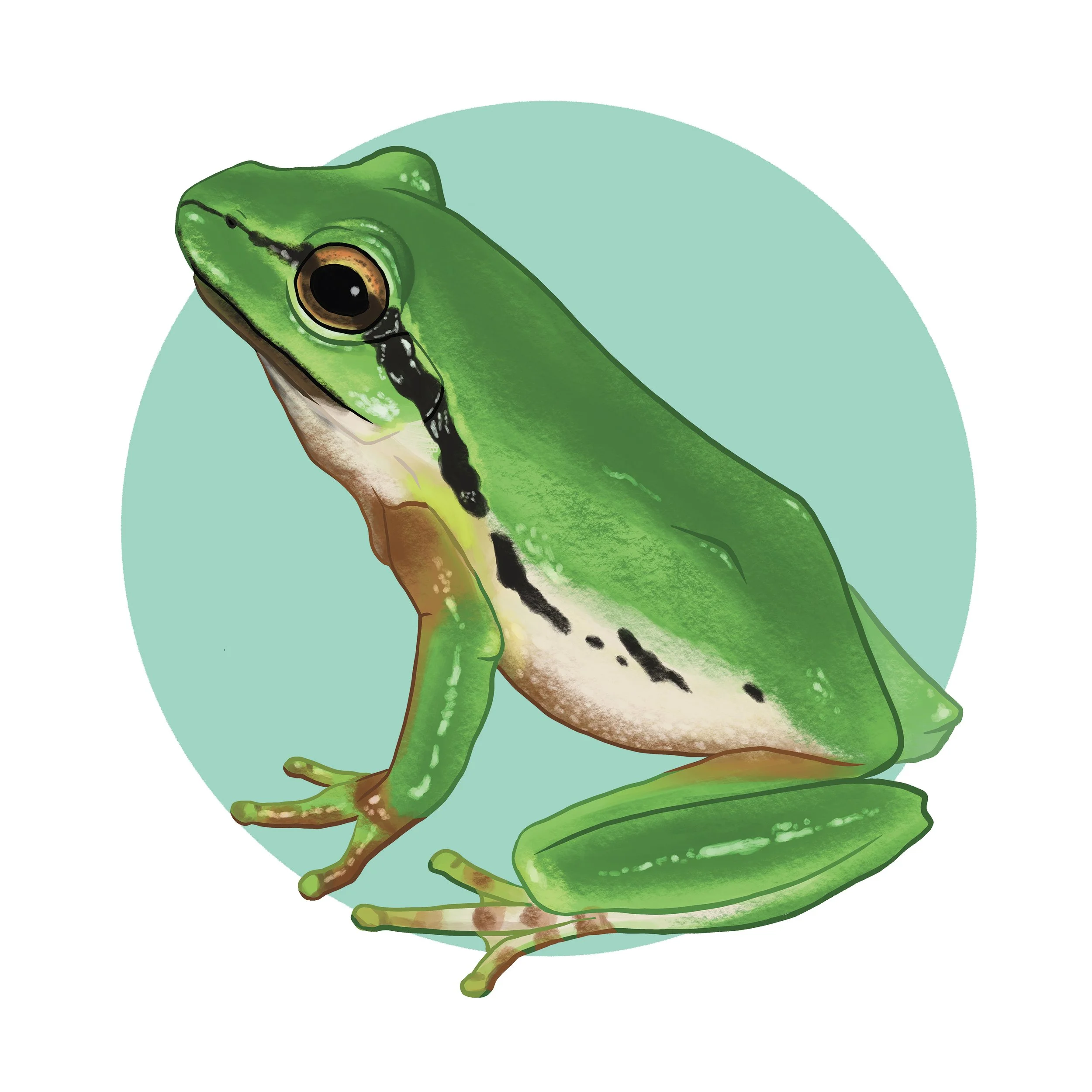
Fengwei Zhang is a multimedia illustrator and designer with a passion for science and natural history, who has contributed to the museum through detailed drawings and a mural.
-
![]()
Case 6: Illustrating Nature
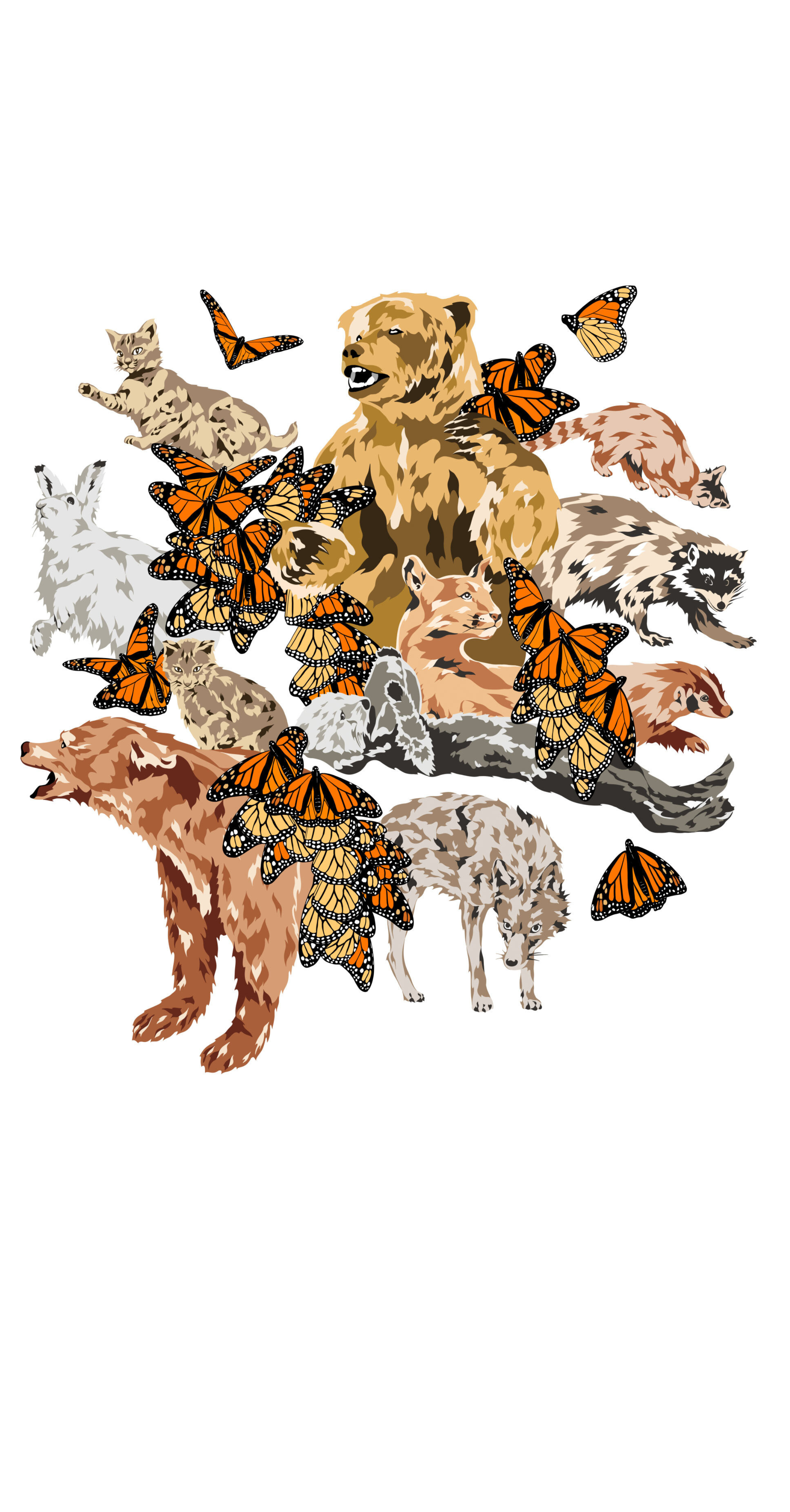
The science Illustration Program at California State University, Monterey Bay has partnered with the Pacific Grove Museum of Natural History to host Illustrating Nature, an annual exhibition of student work.
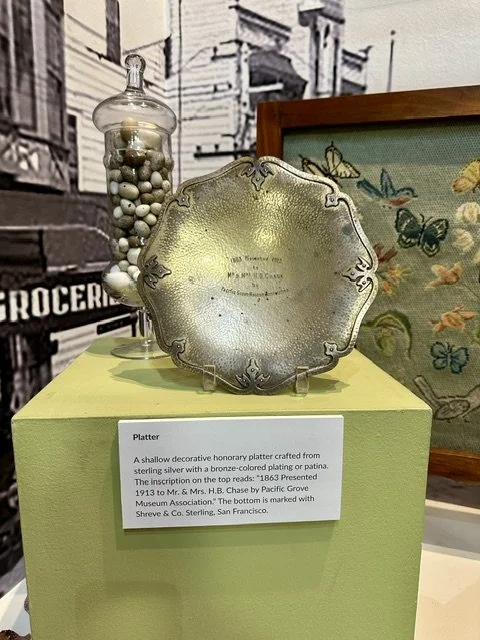
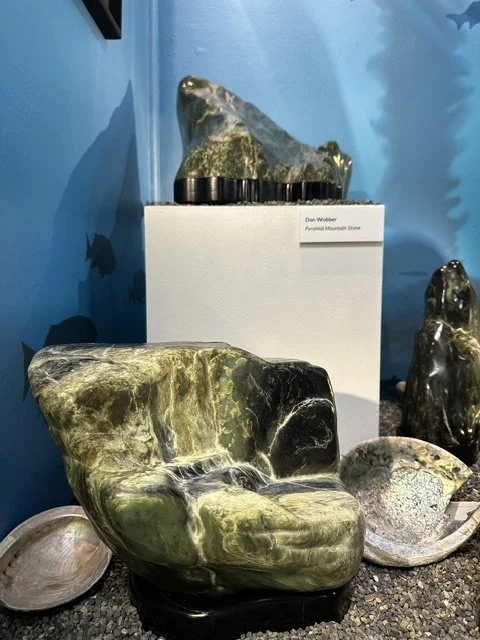
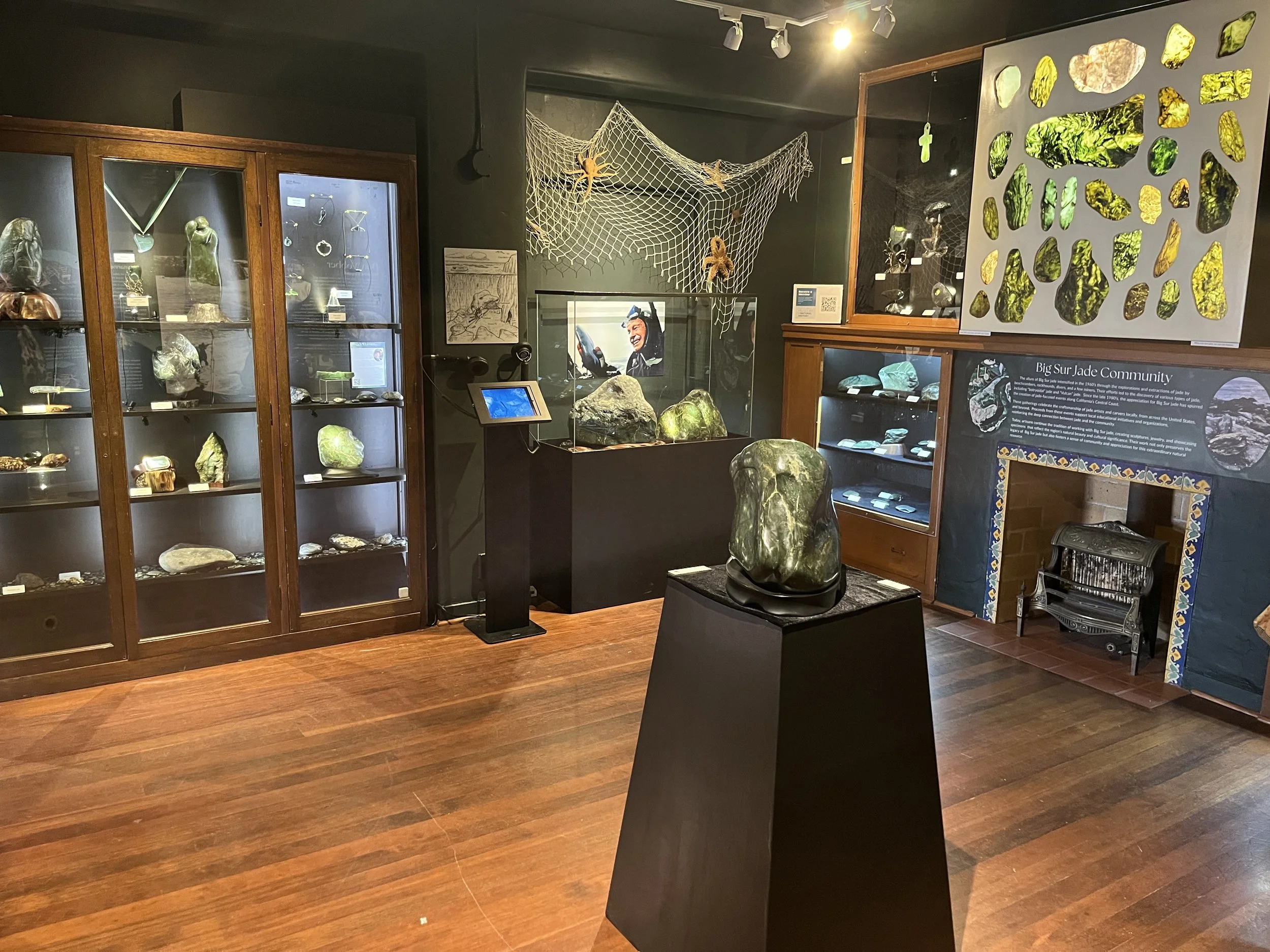
Jade Beneath the Sea
This exhibition offers a unique opportunity to explore and expand the rich, multifaceted story of local jade. It highlights not only the natural world of our county, including its distinctive biological and geological history, but also honors the diverse individuals who have played and continue to play a significant role in the jade narrative.
Running until June 2027, the Big Sur Jade exhibition delves into both our local jade history and, eventually, the jade traditions of other cultures. This exhibit offers a deeper understanding of how jade has been revered as a sacred mineral throughout time. As a sponsor, you can help illuminate these profound stories and foster an appreciation of jade’s significance in both our local and global heritage.
Native Plant Garden
Created as part of our original charter in 1901, our demonstration garden runs all around the Museum, showing the varieties of ways you can plant, care for, and display California’s native and drought-tolerant flora. The Native Plant Garden is the perfect place to learn and take a break during your visit for a snack or a peaceful moment under the buckeye tree. The garden is cared for by the UC Master Gardeners and receives donated plants from the Xerces Society.
Thanks to our 2023 MCGives campaign donors and a generous donation from the Monterey Peninsula Foundation, our garden has undergone a transformation. We’d like to thank our generous partners, Carla Marie Munoz, Desiree Munoz, Violet Smith, and Tinker Gomez, for their support in creating a garden that everyone can enjoy, as well as BASE Landscape Architecture, K&D Landsaping, One Hat, One Hand exhibit designers, and our community stakeholders.


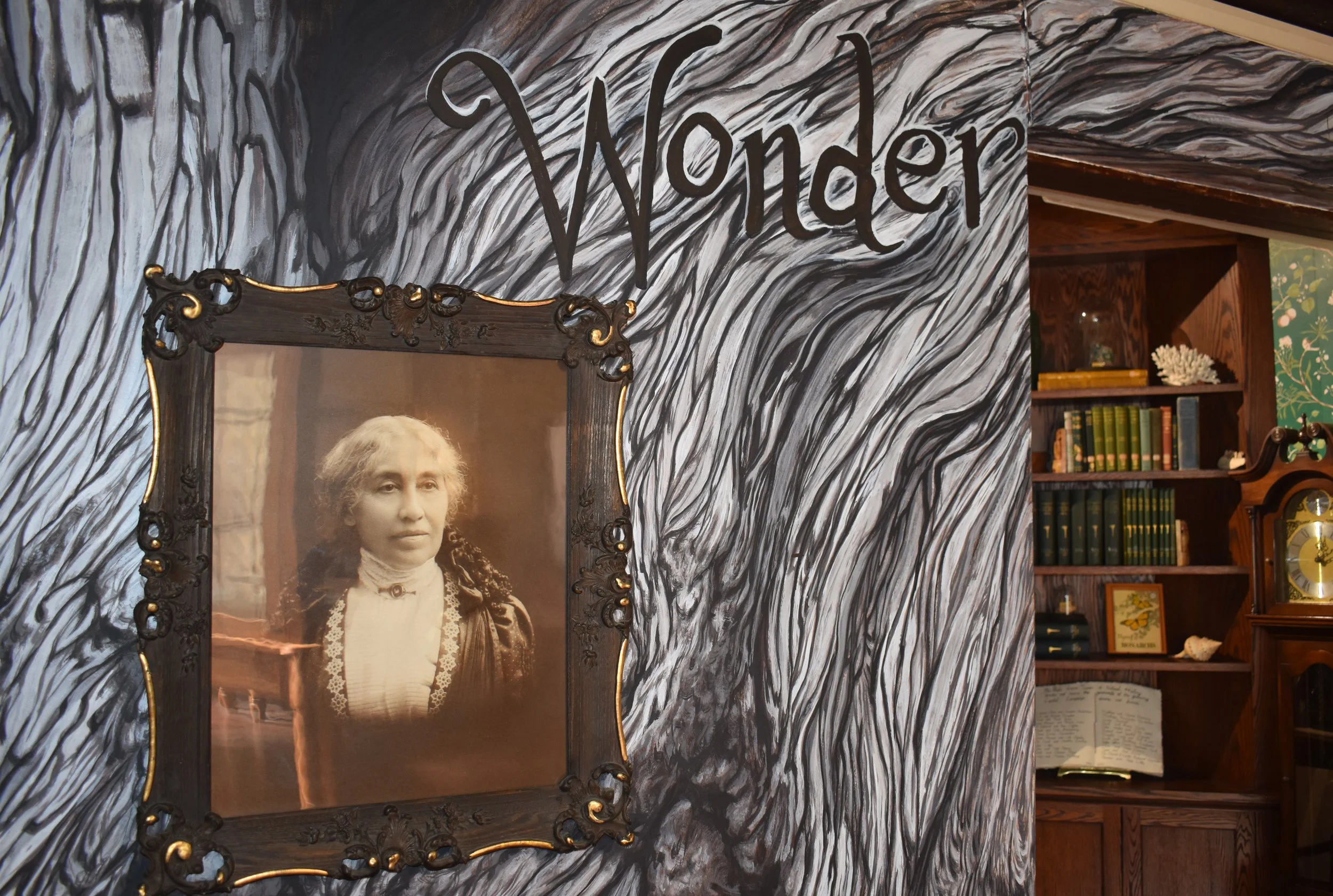
Wonder
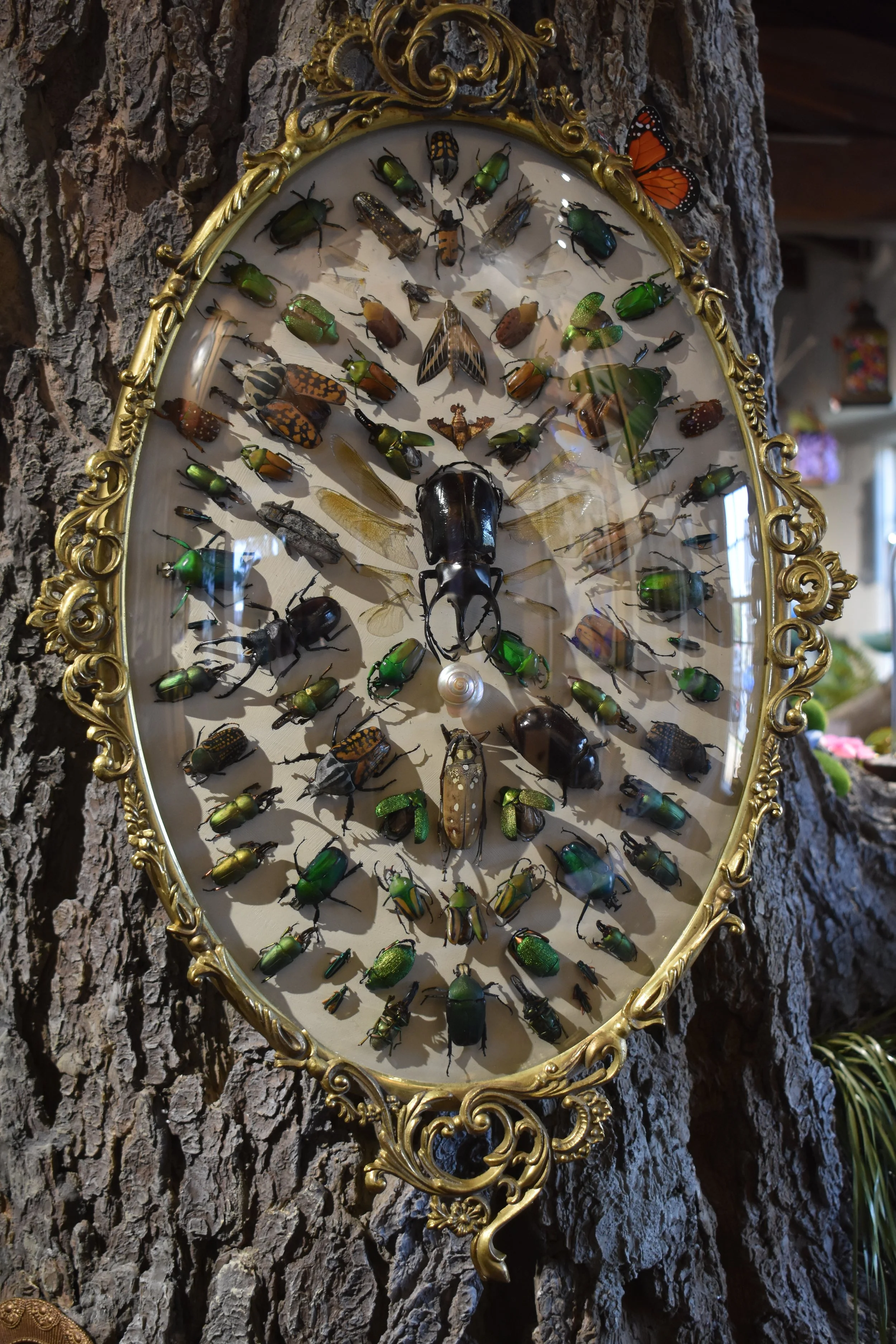
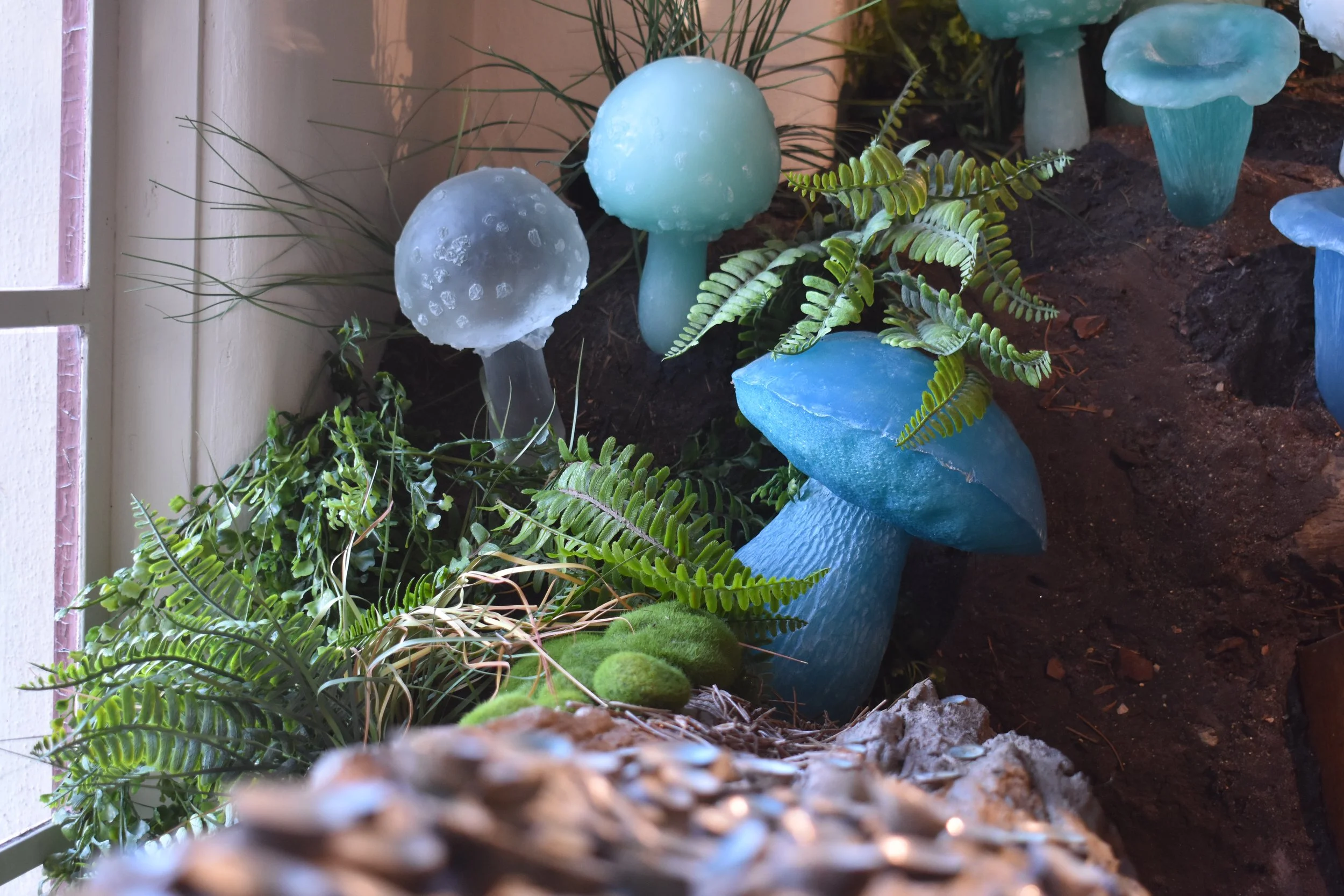
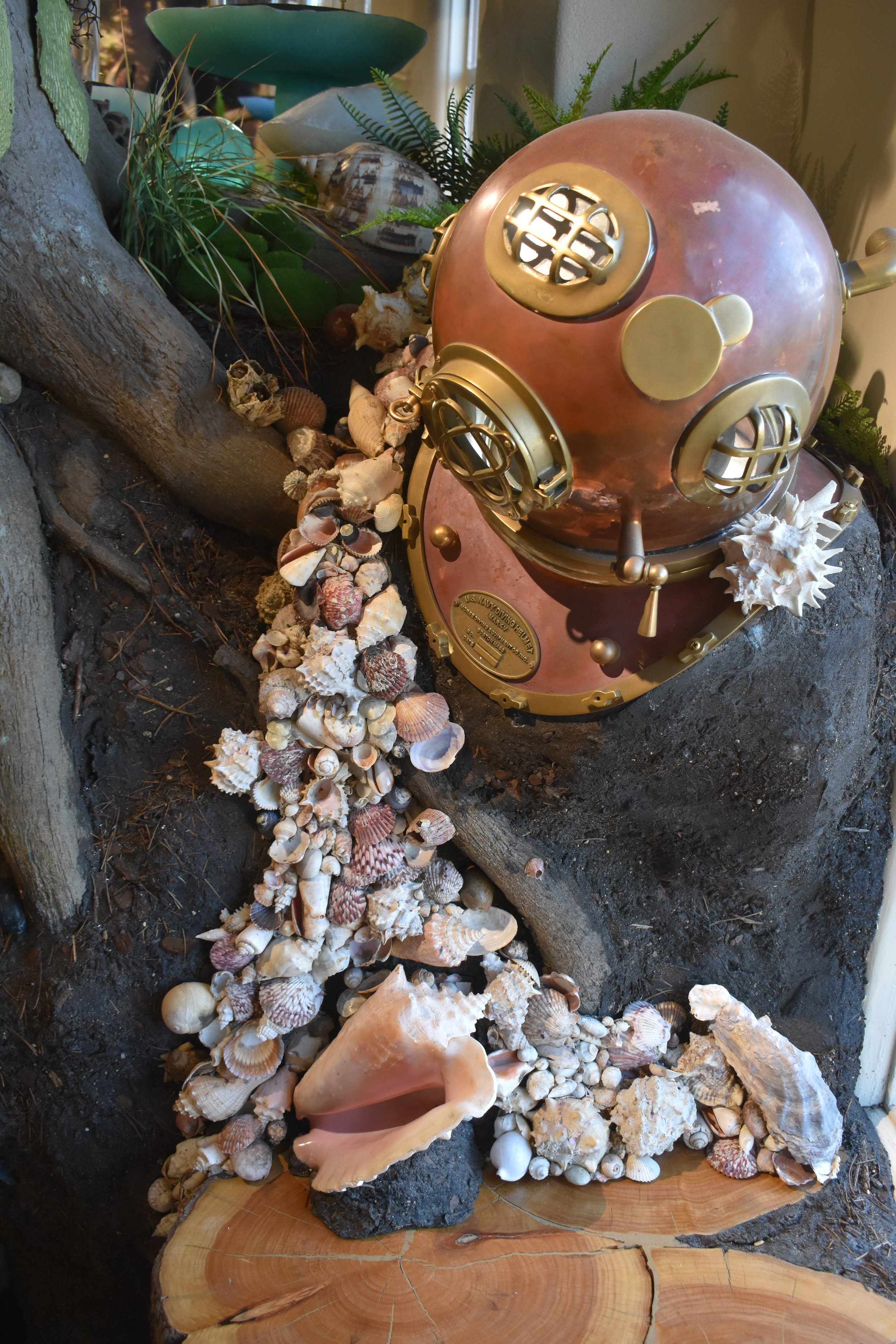
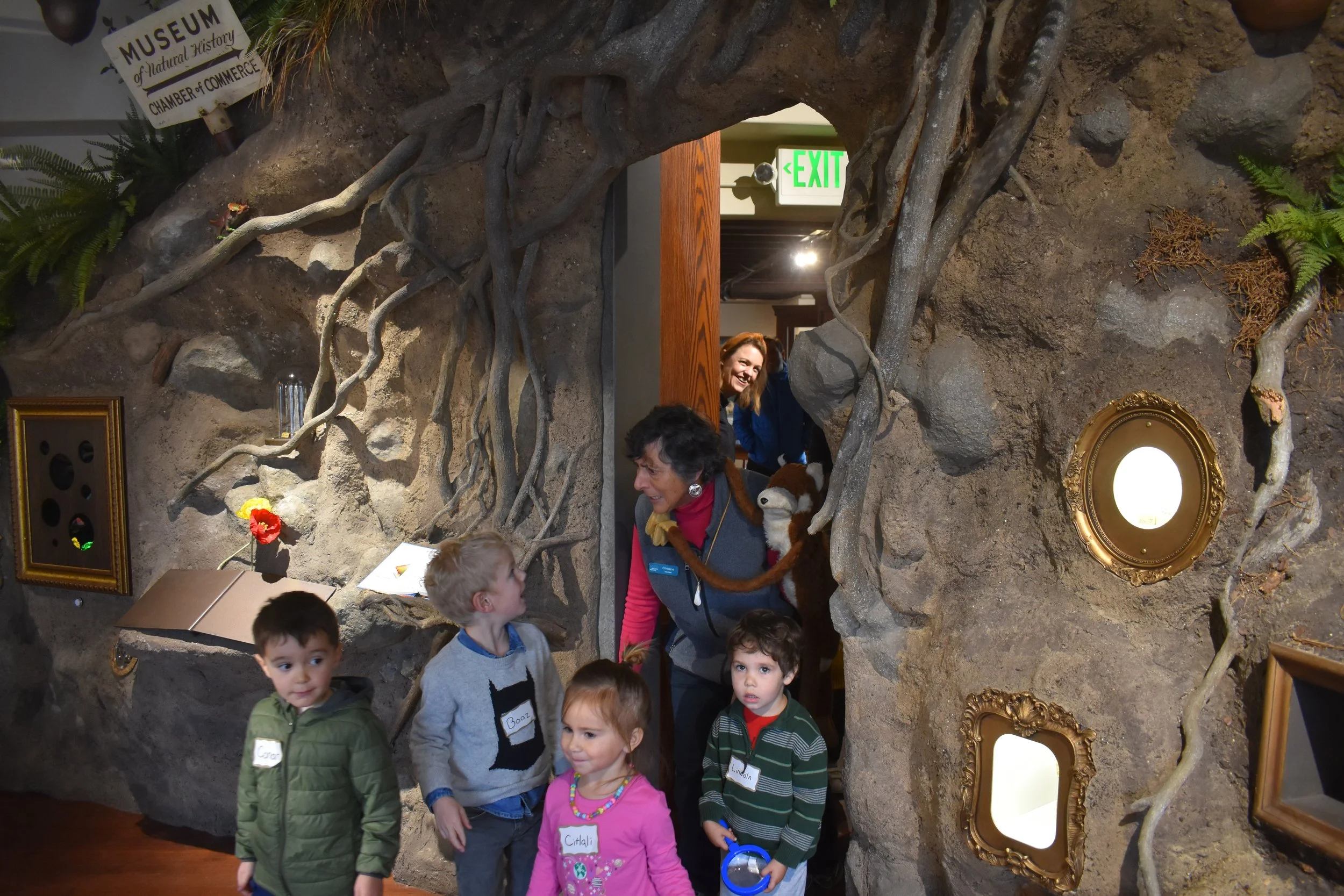
Created in partnership with Blue Rhino Studio to inspire imagination, curiosity, and exploration, Wonder is the embodiment of how fantastical and magical the natural world is, with every aspect built to delight the senses in themes celebrating the incredible worlds of insects, exploration, plants and animals, culture, and ideas. The Museum’s famous Sands of the World display has returned in an updated casing. Come visit and see for yourself all the curiosities in our Museum!
“Over time we have accumulated a huge and diverse collection including man-made and natural items from around the world. In pursuit of our mission as a local natural history museum it has been difficult to find opportunities to display materials from further abroad, but Wonder has given us the chance to use these resources and create an oversized cabinet of curiosities that we hope will inspire curiosity in visitors of all ages!”
- Nate King, Research & Collections Manager
Gallery of Wonder Images




Bird Gallery
The Bird Gallery is a vibrant showcase of the region's avian diversity. Featuring an extensive collection of taxidermied birds, the gallery highlights species native to the Central Coast, from the majestic California condor to the colorful Anna's hummingbird. Detailed exhibits provide information about each bird's habitat, diet, and behavior, helping visitors appreciate the unique adaptations and ecological roles of these feathered creatures. If you have a favorite bird, you can adopt them and support the museum at the same time.
Interactive displays and educational programs in the Bird Gallery engage visitors in hands-on learning experiences. By emphasizing both the beauty and ecological importance of birds, the gallery fosters a greater appreciation for avian conservation and encourages a deeper connection to the natural environment.
This space also hosts our Temporary Exhibits, which rotate quarterly. Interested in showcasing your work, contact sosa@pgmuseum.org

Rumsen áchsest-akai (basket makers)
The Pacific Grove Museum of Natural History's “Rumsen áchsest-akai (basket makers)" exhibit showcases rare and historic Rumsen-Ohlone baskets from the Central Coast.
Along with the historic baskets, the exhibit displays native plants collected and processed by contemporary Ohlone basket weaver Linda Yamane. It also shows a short video of her work, collecting and processing basketry plants for weaving a ceremonial basket. The exhibit includes large-scale models of coiling and twining techniques, and a hands-on station for visitors to weave strands in and out of wooden “basket” spokes.

Monarch Exhibit
The monarch exhibit offers a captivating exploration of the life cycle and migratory journey of the monarch butterfly. This exhibit highlights Pacific Grove's special role as a key overwintering site for these butterflies, often referred to as "Butterfly Town, USA." Visitors can learn about the incredible 3,000-mile migration that monarchs undertake from Canada and the northern United States to the central California coast. Detailed displays and informative panels explain the monarchs' stages of development, from egg to caterpillar to chrysalis to adult butterfly.
Multimedia presentations enhance the learning experience, allowing visitors to observe specimens and understand the challenges monarchs face during their migration. The exhibit also emphasizes the importance of conservation efforts to protect the monarchs' habitats and the milkweed plants essential for their reproduction. By showcasing the delicate balance of ecosystems and the interconnectedness of species, the monarch exhibit aims to inspire visitors to support and engage in conservation initiatives.

Changes of Monterey County
This exhibition explores the changing landscapes of Monterey County through memory and data, through what we remember and what we record. How have habitats changed? How might they continue to change? And what can we do to protect this place we all share?

-
Monterey Bay is home to numerous unique and interesting environments and organisms that inhabit them.
All environments are always changing, sometimes changed by humans.
These changes can affect topography, hydrology, and the organisms that live in these places.
Climate change poses a looming problem of system wide changes.
Climate change is affecting local environments which affects the things living in them.
-
Share an appreciation of the diversity of habitats and species in Monterey County.
Increase awareness of the importance of preserving the natural areas we have.
Inspire involvement in community science and partnerships.
Understand how humans are part of natural habitats — and how our actions affect the world in positive and negative ways.

-
This section of the exhibit gallery explores the county’s mountain and woodland habitats. Visitors can learn why the two mountain ranges host such different habitats. The Santa Lucias catch fog from the coast and create arboreal mountain islands. On the wetter west-facing side of the mountains, Gowan cypress, Coulter pine, and redwoods grow.
-
Around the central rail overlooking the first floor is an exhibit area that focuses on visitor actions and impacts. Visitors can weigh the impact of their choices and make a commitment to a greener future.
-
Visitors move from the introductory area into a display about Monterey County’s coastal and marine habitats. Visitors can explore a diorama about the Monterey Bay that features the Museum’s otter mounts with supporting invertebrates. A video located on the reader rail below the diorama offers visitors a glimpse of an underwater scene that they might not be able to see otherwise.
-
This section of the exhibit gallery moves inland from the coast and into the county’s valley habitats. From productive agricultural fields to the chaparral, these habitats boast rich soils and incredible biodiversity.

Chinese Fishing Village
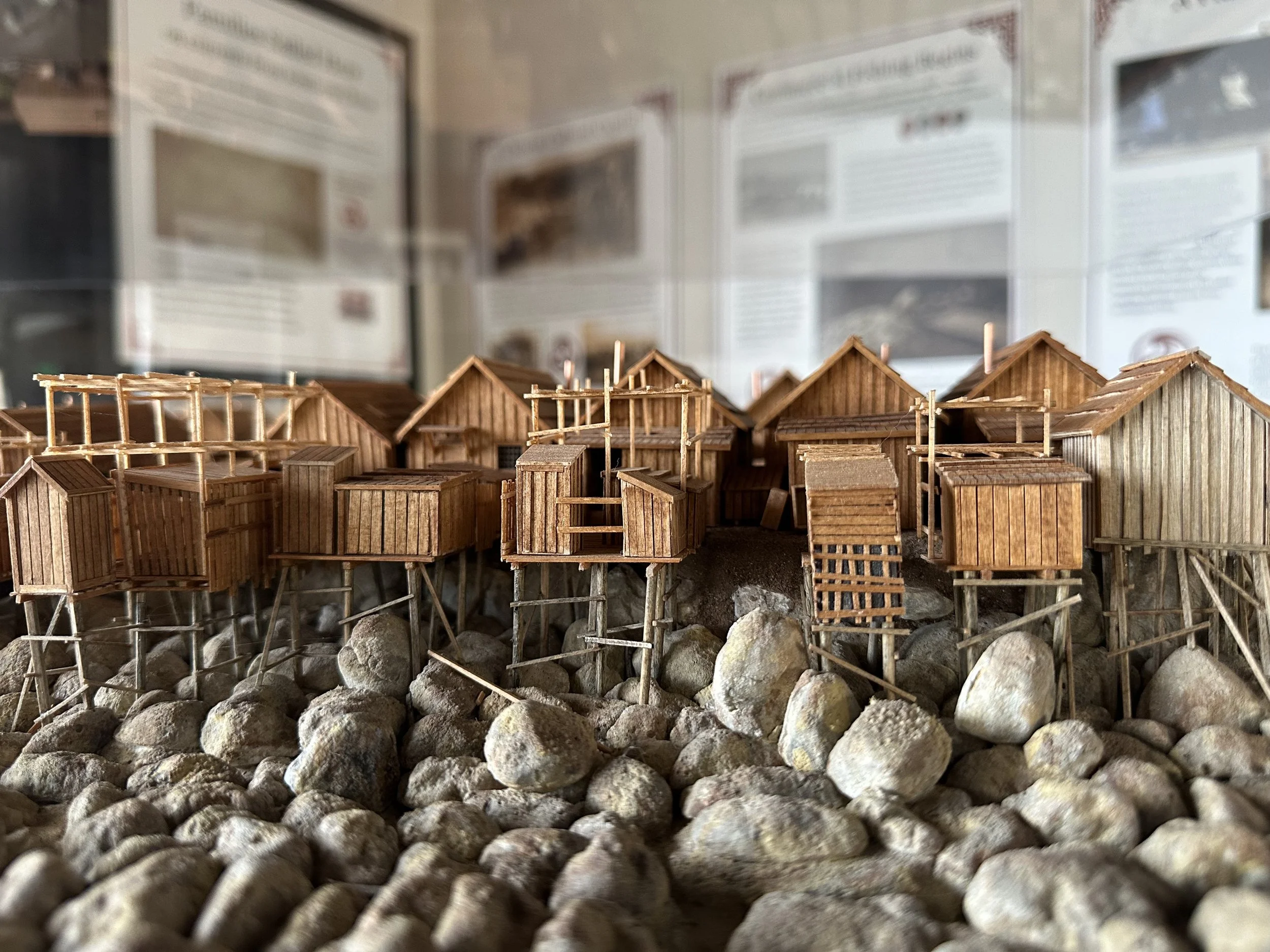
This exhibit, created by California State University, Monterey Bay Museum Studies intern Marisa Mercado, presents the history of the Point Alones Chinese fishing village. In 2012, two years after Mercado developed informational panels that detail the history of the Chinese Fishing Village, artist Michael Croft used those panels to build several miniature dioramas about the historic location.
Fishing Village Film
The 21- video clips that depict the historical significance of the Chinese Fishing Villages were created by Ibis Education & Media in partnership with the PG Museum, Monterey Waterkeeper, the Quock Mui Foundation, and Fishing Village descendants and has added curriculum for grades K-8. If you are a teacher who would like to bring the curriculum with the associated classroom kit and booklet to your students, please visit our education page.
-
The trek from southern China to the west coast of the United States isn’t an easy one. A group of families, likely hailing from the Kwangtung Province, set out to do just that in the early 1850s. Along the way, however, many of the Chinese boats became separated. Several of the boats landed in Medocino, while other landed near the Carmel River in the Monterey area. After making an initial camp at Point Lobos, the group made a more permanent settlement at Point Alones in Pacific Grove. It was here they developed their fishing village, where they would stay for many years to come., only their presence wasn’t destined to last. The village burned to the ground on May 16, 1906. The families, without a village to call their own, soon dispersed throughout the region. Many established a small village at McAbee Beach in Monterey.
-
Those who lived in the village were the first Chinese families to immigrate to America, according to historians. Prior to that, only male day laborers immigrated to the country. In 1882, after the families arrived from China, U.S. politicians enacted the Chinese Exclusion Act, which prevented Chinese from becoming American citizens. According to the act, should a day laborer leave the country for any reason, they would not be allowed back in. Those that didn’t leave the country to live with their families were forced to remain in country alone. The act also required resident cards. Those found without their resident card were subject to deportation, according to the act. Glass plate photographs taken of many of the residents, kept at the Museum, are believed to have been taken for the cards.
-
The families living in the Chinese Fishing Village were the first to recognize the potential for commercial fishing in the Monterey Bay. Others quickly saw the benefit, however, and eventually pushed the Chinese from their daytime fishing grounds. Being resourceful, they began fishing for squid in the night, thus beginning California’s squid fishery – now on California’s largest fisheries.
Exhibition Proposals
The Pacific Grove Museum of Natural History welcomes exhibition proposals that align with its mission to inspire discovery, wonder, and stewardship of our cultural and natural world. We are particularly interested in projects that explore natural history, environmental science, conservation, and the connections between people and nature.
Exhibitions and programs are typically scheduled several months to a year in advance. Please keep this timeline in mind when preparing your proposal.