
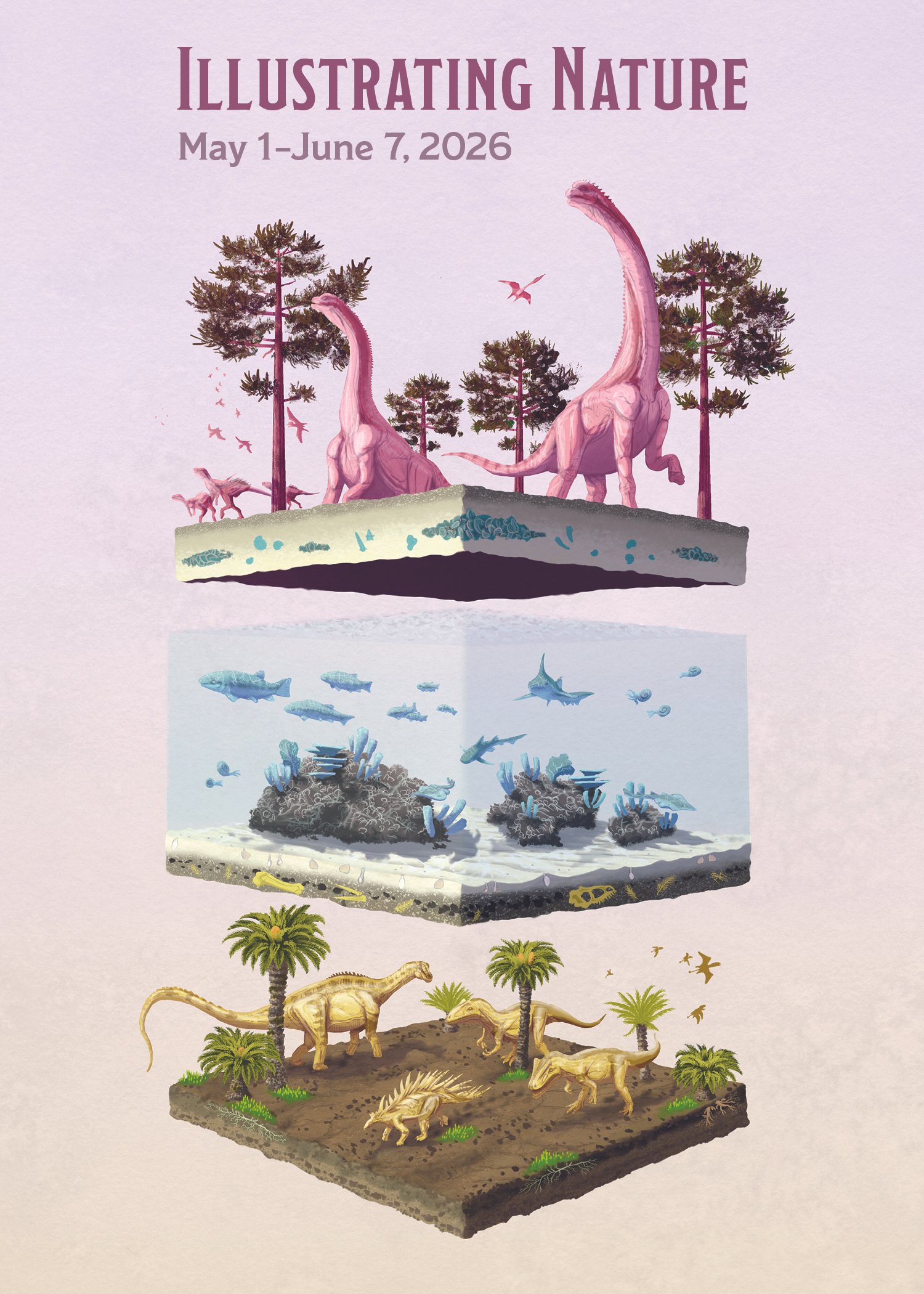
Thank you for joining us for Illustrating Nature 2026
We look forward to seeing you again in 2027.
We’d like to thank our partners at CSUMB’s Science Illustration Program, the Arts Council for Monterey County, the Monterey County Board of Supervisors, and Tentacles & Wings for making this exhibit possible.


Meet the 2026 Artists
-
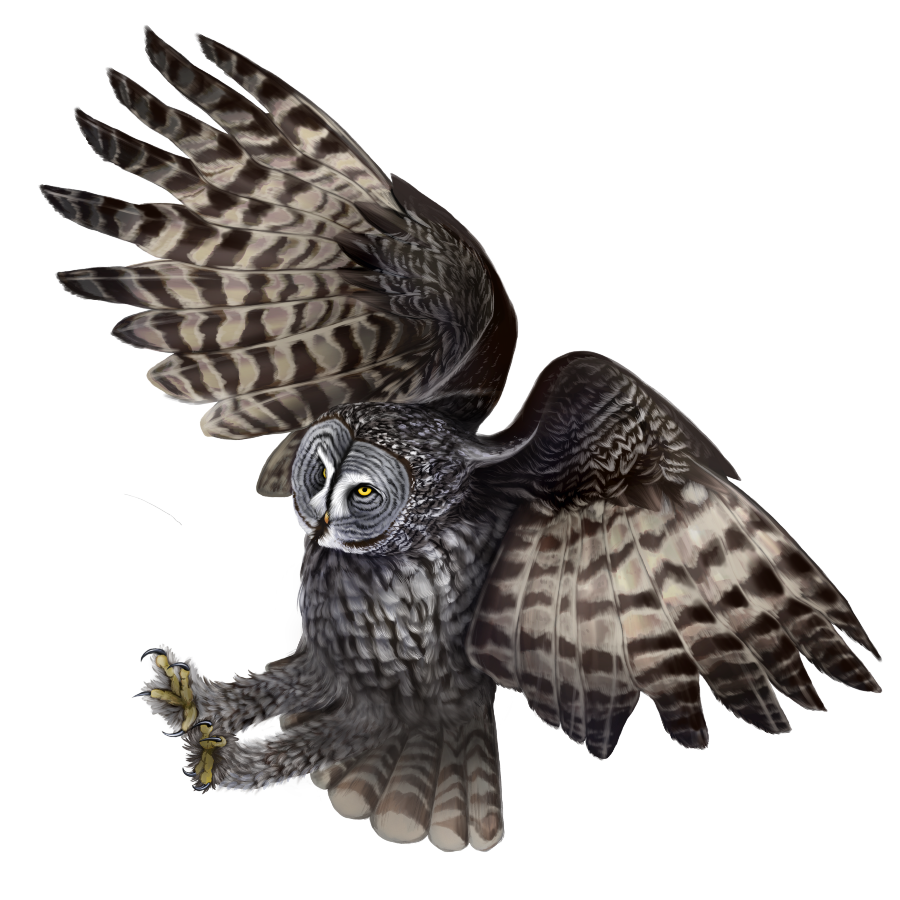
Lizzy McGary*
Being raised in Minnesota gave me a strong connection to the land I call home and great appreciation for the outdoors. I graduated with a degree in Ecology and Evolutionary biology from the University of Colorado Boulder in 2021, and went on to do several years of field ecology work, and thru-hike the Appalachian Trail. I strive to create art that is informative while inspiring love and respect toward wildlife and wilderness, while highlighting the hard work done by scientists and restoration workers. I also believe that science illustration can be a powerful tool to increase science accessibility and nature education, and I hope to use what I’ve learned in this program to make art that inspires curiosity and connection to the land.
-
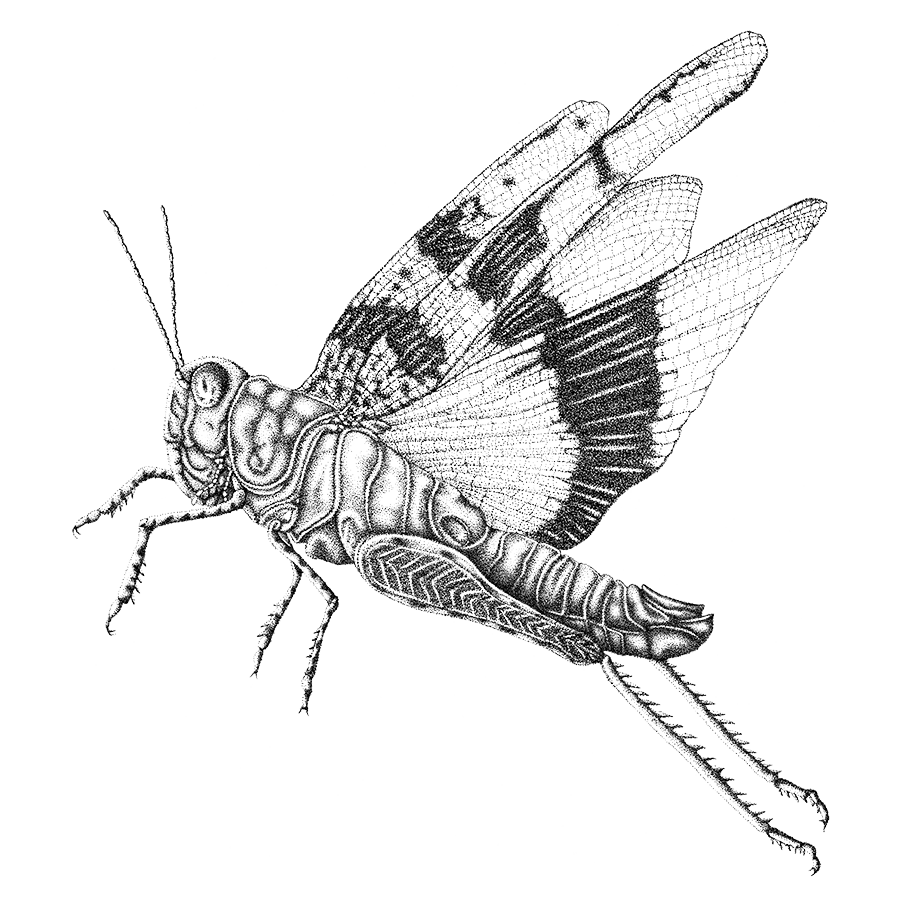
Alyssa Colasanti*
(she/they)
My name is Alyssa (Aly) Colasanti, a naturalist and science illustrator. I aim to visually communicate underrepresented ecological communities and their relationships within ecosystems. Science communication and environmental conservation are important to me, and are the inspiration for my art and outdoor education work.
-
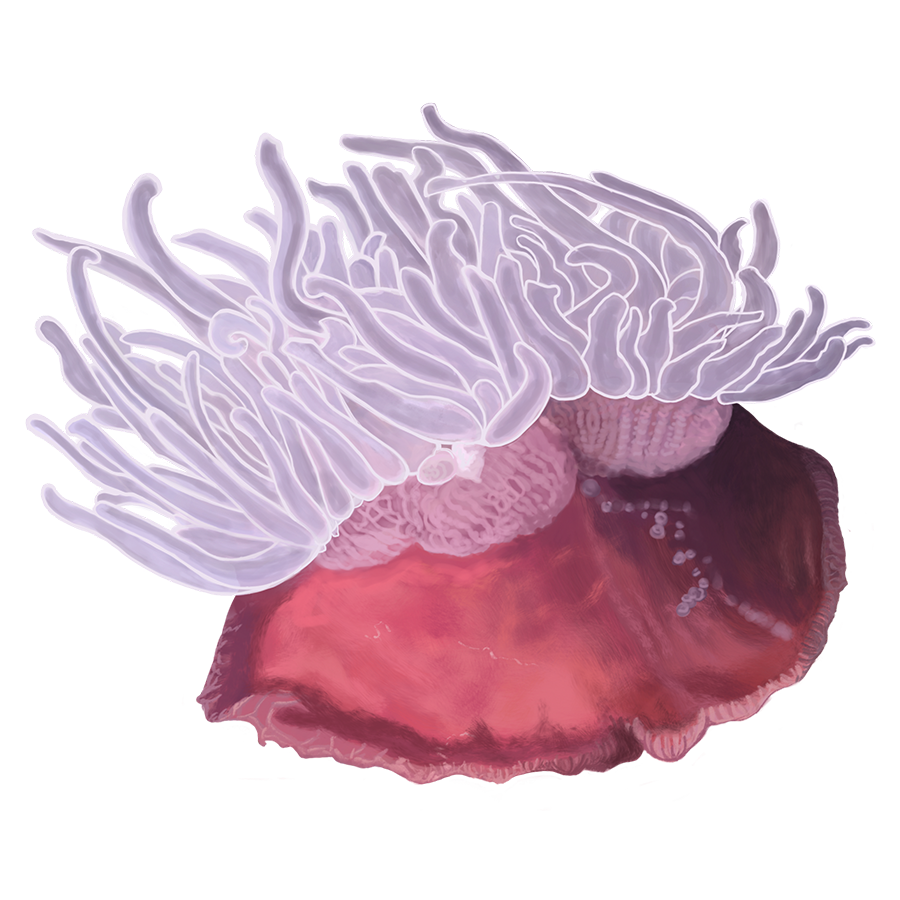
Emma Madigan*
(she/they)
I have always loved and taken care of animals. After getting my degree focused in entertainment design, I learned about the science illustration program at CSUMB. I was excited to learn skills involved around science, so I may take all I have learned while working at my local marine mammal center and educate those on the importance of our wildlife, especially sea creatures. In my free time I travel around California plein-air painting with gouache and watercolor being my mediums of choice. My goal is to work in children's media be it children museums, animation or zoological artwork for kids.
-

Casey Lee*
(he/him)
I have always taken fascination with the way animals look, both in real life and in fiction, ever since I was young. Fish and dinosaurs were the most intriguing to me, as they had an air of mystery I wanted to discover by drawing them, which shaped my passions. In college, I was made aware of how I could expand my abilities in the field of scientific illustration. Currently, I am working as a science illustrator for the Fish Evolution Lab in Scripps, helping to promote figures that both the science community and general public can be impacted by.
-
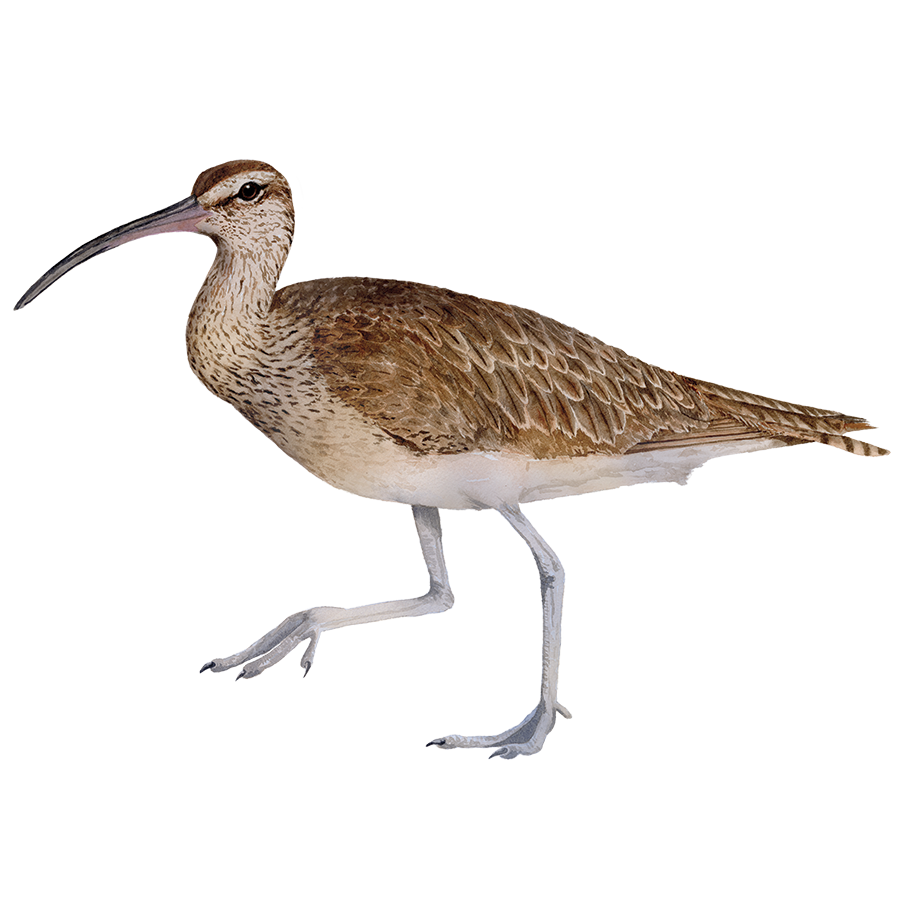
Michelle Parsons
After 15 years as an engineer and project manager, I transitioned to a creative practice inspired by migratory birds in Toronto. Working primarily in watercolor, I explore birds, ecology, and the natural world. My work bridges art and science, informed by my studies in biology alongside ongoing art training. Recently, I have exhibited my work at juried art fairs in the US and Canada and have contributed illustrations to the book Daydreaming in the Solar System (MIT Press, 2024). I continue to refine my skills while expanding my freelance practice, with the goal of creating work that fosters environmental awareness.
-

Ben Parzych*
The ever-changing and complex natural world inspires my creative expression. The diversity of life, the varied environments, and the interplay of these two are my subjects of choice. By blending scientific accuracy with artistic expression, I create a visual narrative that bridges the gap between observation and interpretation. My attempt is to not only capture the sublime details of the natural world but also to invoke curiosity and embody the underlying character of a subject. With my work, I invite an appreciation for the realms of what is real and what is imagined.
-
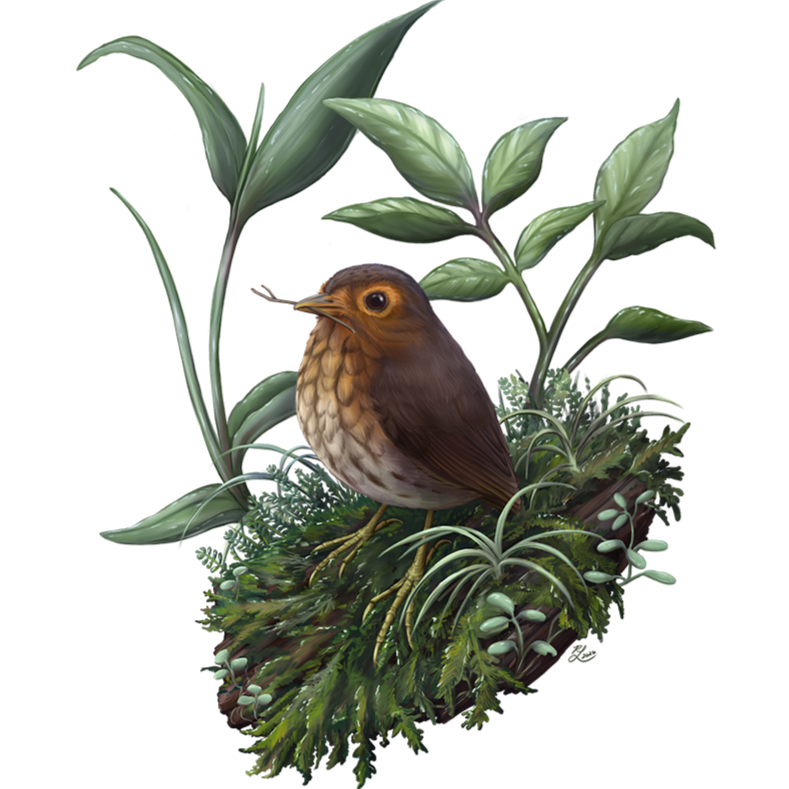
Rebecca Lewis*
(she/her)
Books filled with photographs and illustrations sparked a passion and curiosity in me for the marine world—a place seemingly out of reach to 7-year-old me in my small Illinois town—and ultimately led me to pursue a marine science degree mixed with an illustration minor at Jacksonville University. As the only student in my graduating class in science and art, I noticed the challenge of science communication and the potential for art to aid in that endeavor. Whether scientists or the public, I want my illustrations to reach and inspire anyone about our natural world, wherever they may be.
-
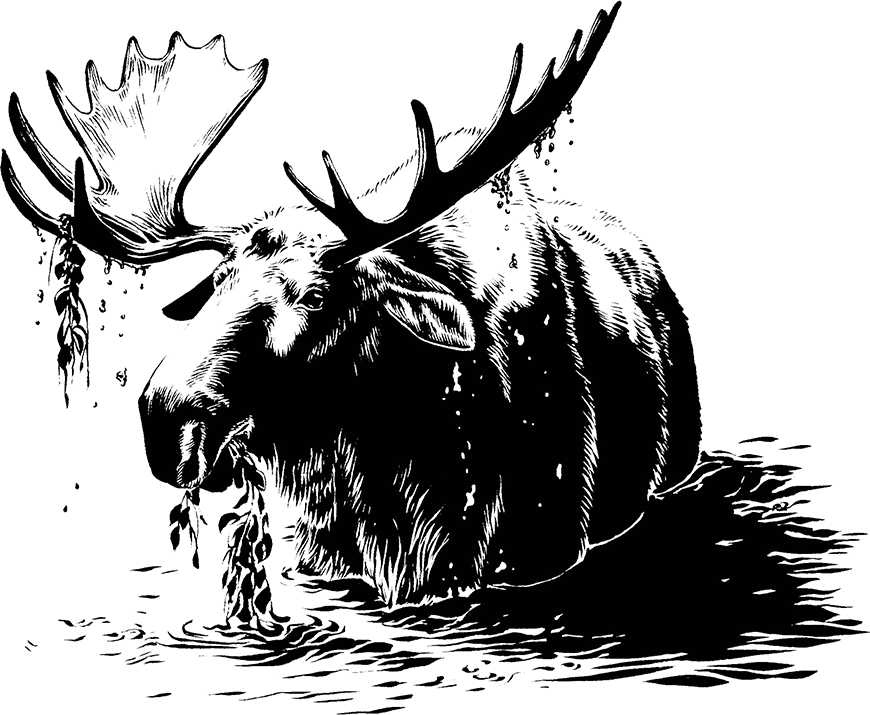
Emma Nydam*
I have always been drawn to the relationships of plants, animals, and their environments, and I strive to create art and illustrations that are both visually engaging and scientifically accurate. I grew up in northwest Washington, where I spent much of my time drawing, painting, exploring outdoors, and raising animals. I’ve become drawn to illustrating species in context, focusing on their unique characteristics, beauty, and interconnectedness. Outside the studio, I spend my time hiking, birding, gardening, and traveling with my husband, family, and friends – continuing the same habits of outdoor curiosity and attention that first led me to this field.
-
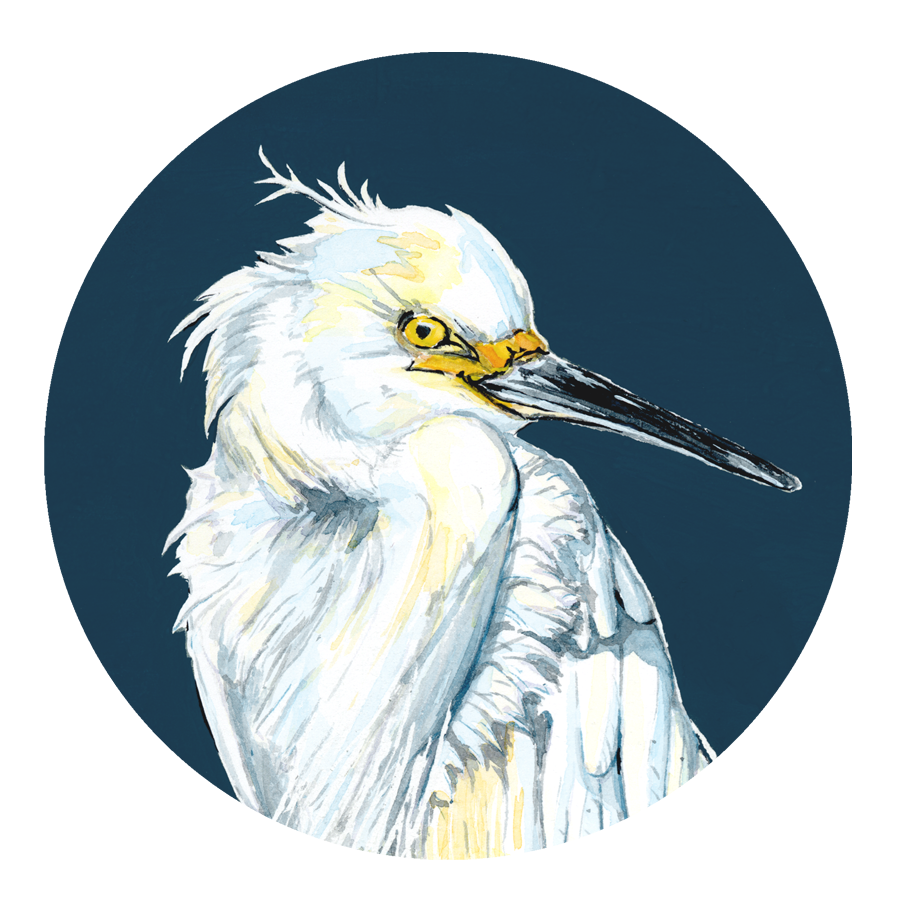
Tor Gammelin*
Art is a tool that I use to process and share my view of the world. I see my role as an illustrator as a path to share ideas in a visually captivating way, pulling the viewer deeper into the subject matter. I aim to create art that helps people process the complex relationships between humans and our natural world. When I’m not in school, I work aboard commercial fishing vessels in the amazing ecosystem of Southeast Alaska.
-
Cody Lee*
(They/Them)
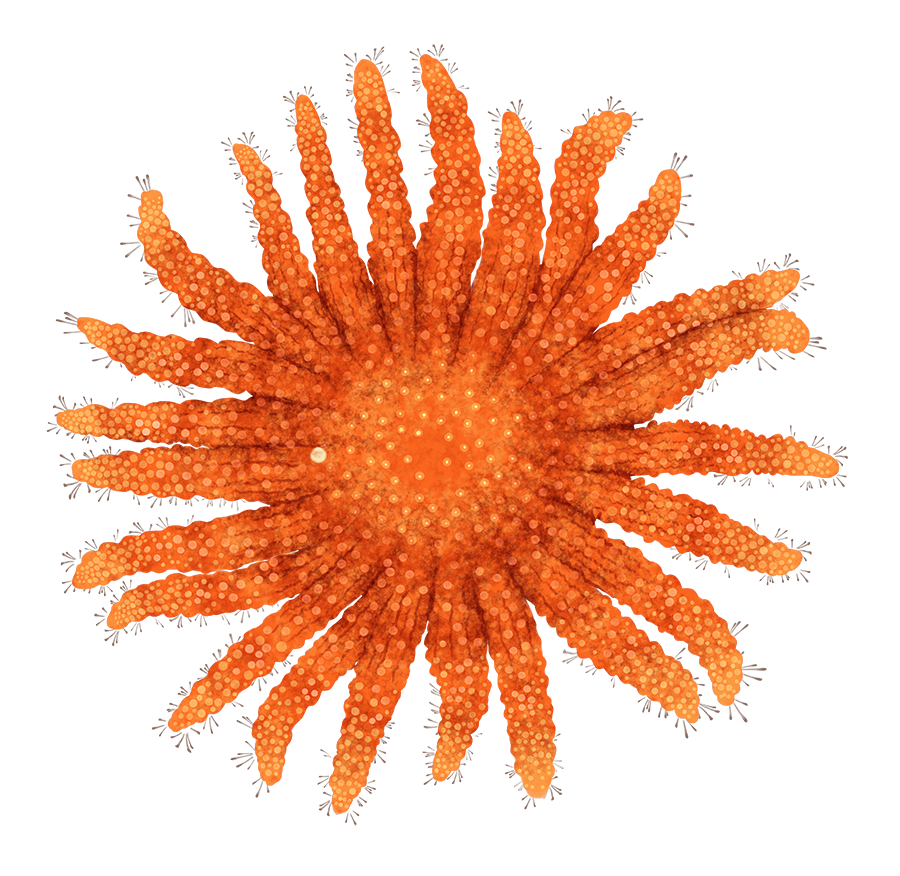
I have been a carpenter, electrician, painter, and now an illustrator. Born and raised in the Monterey Bay Area, it has been a poetic experience starting a new chapter here at CSUMB. After graduating from UCSC with a double major in Physical Anthropology and Theater Arts, I moved to New York City to work in the installation of large-scale international performance art. After a decade spent working in production, I never lost my passion for evolutionary biology, ecologies of the deep past, and comparative anatomy. I’m happy to be back in the scientific field, this time as an artist. -
Kelsey Kinnett*
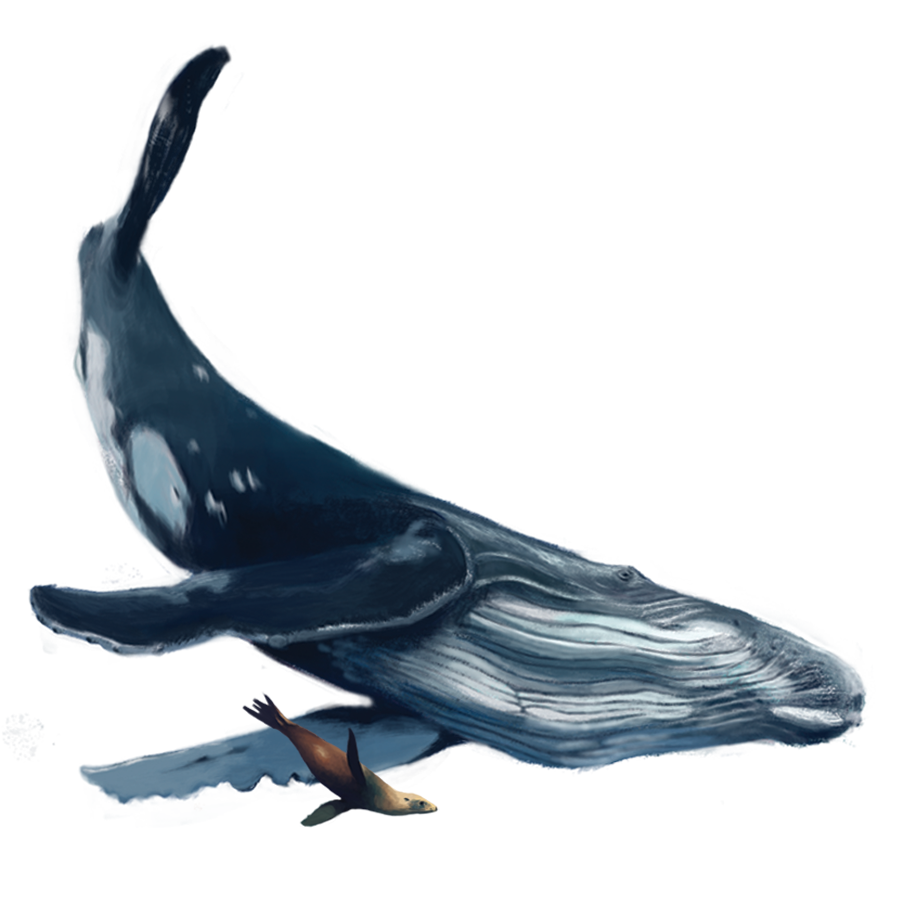
I grew up eating sweet honeysuckles off the bush and listening for muskrats on moonlit North Carolina lakes. Because of this, I have always expressed my gratitude for the natural world through my artwork. My passion for social and environmental justice, research, writing, and education are shown in my science graphics. I aim to make complex scientific research accessible to diverse audiences through engaging infographics, interpretive panels, and magazine spreads. I hope to collaborate with science magazines and newspapers, museums, and conservation organizations upon completion of my graduate certification in Scientific Illustration at CSUMB.
-
Arianna Torres*
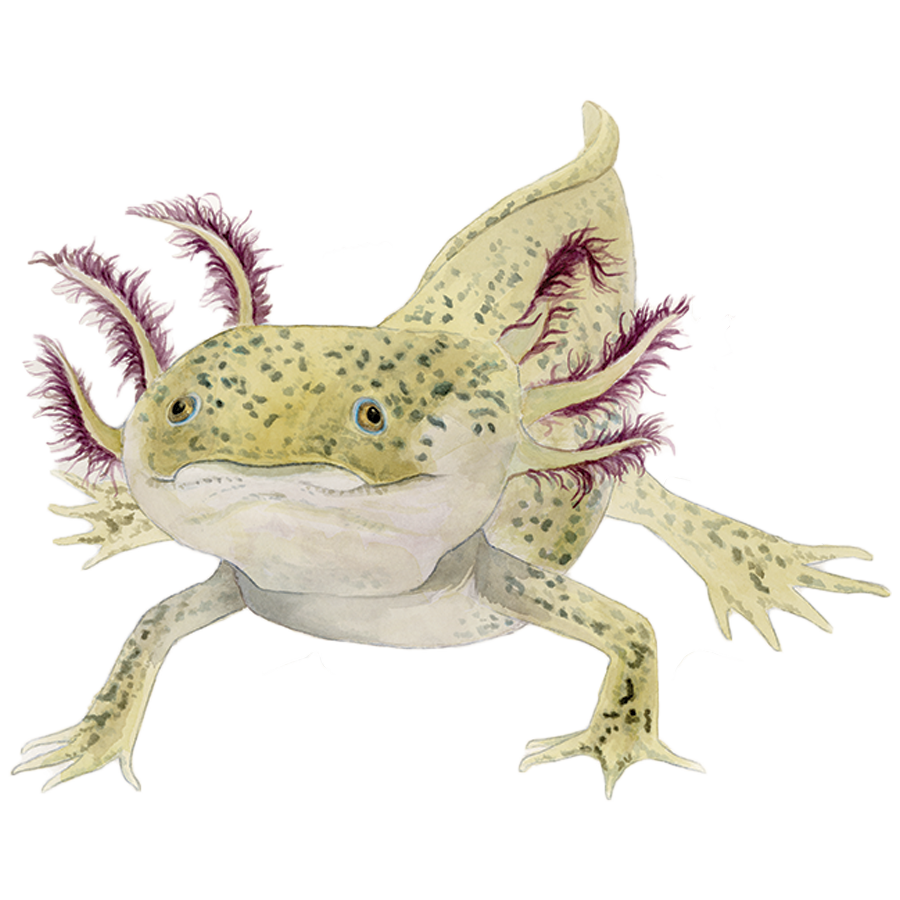
Since I can remember, I have always loved to explore and interact with nature — catching bugs, smelling trees, drawing flower fairies, etc. I ended up studying biology at the University of Arizona where I was immersed in the hypnotic beauty of the Sonoran Desert. While getting my bachelor’s, I discovered the Science Illustration program at CSUMB and a new career path that I finally felt passionate about. Since being here, my artistic arsenal has expanded in so many different ways. In my future career endeavors, I want to continue using my talents of creativity and art to create scientific visuals that will inspire audiences.
-
Josefina Bovee*
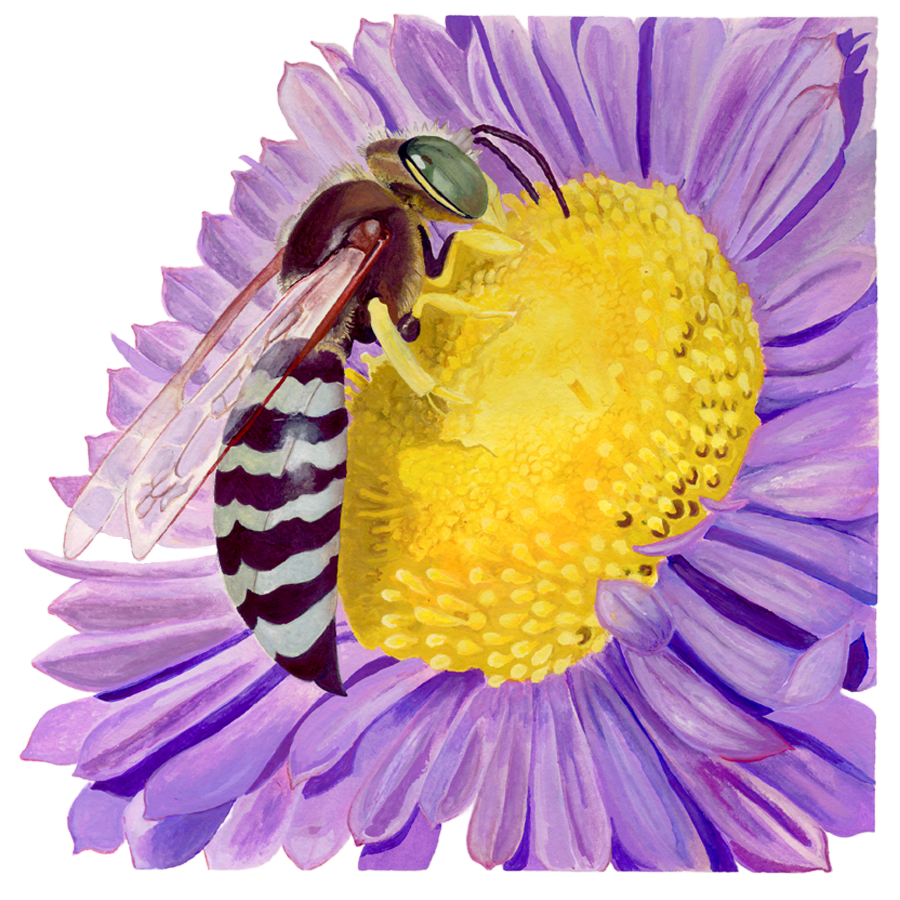
As soon as I could hold a crayon, I was drawing. I have always been very interested in comics, illustration, storytelling, and nature. I grew up fascinated by nature magazines and interpretive signage at local parks. I worked as a State Parks interpretive aide for four years and I'm very interested in science communication and connection. The natural world is deeply intertwined with my professional and personal artwork, and I’m excited for more opportunities to develop my skills in the field.
-
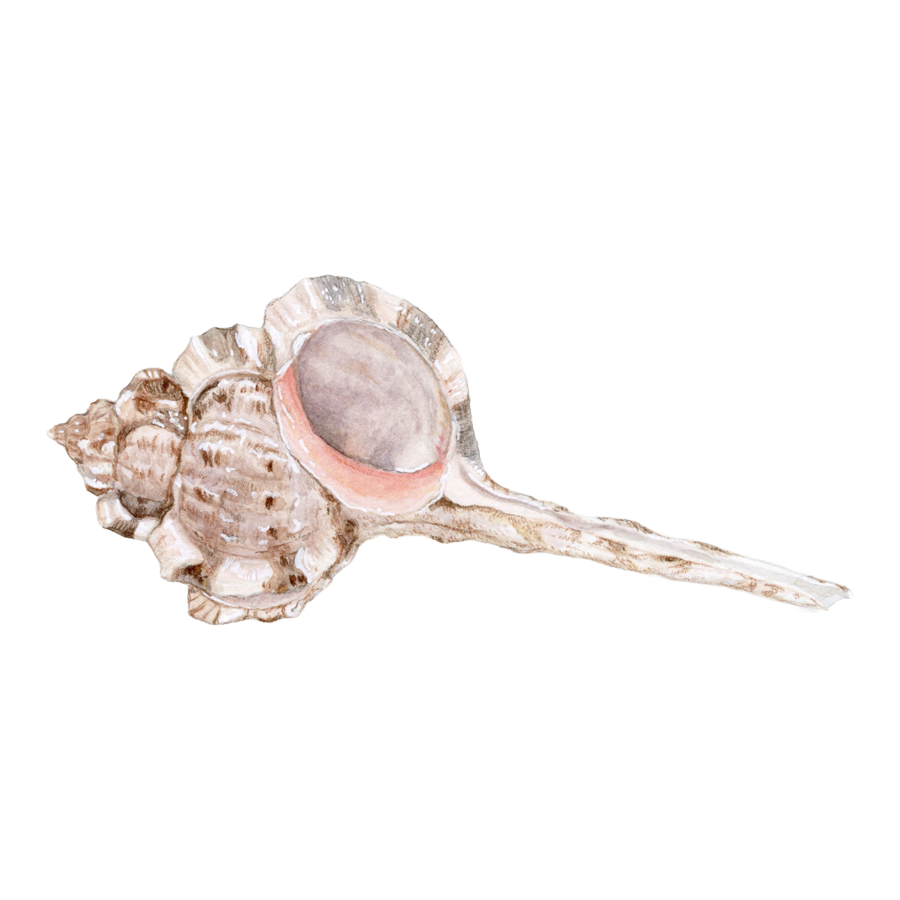
Taylar Yost*
Growing up in central North Carolina, I was always drawn to the ocean. Beach trips sparked an early fascination with the world beneath the surface, which ultimately led me to pursue a degree in Marine Science. Art was another passion that was a meaningful part of my life. During my undergraduate studies, I discovered the opportunity to merge these two passions into a career. I now aim to create science illustrations that are both visually engaging and highly communicative, that spark curiosity while educating people on various science topics.
-
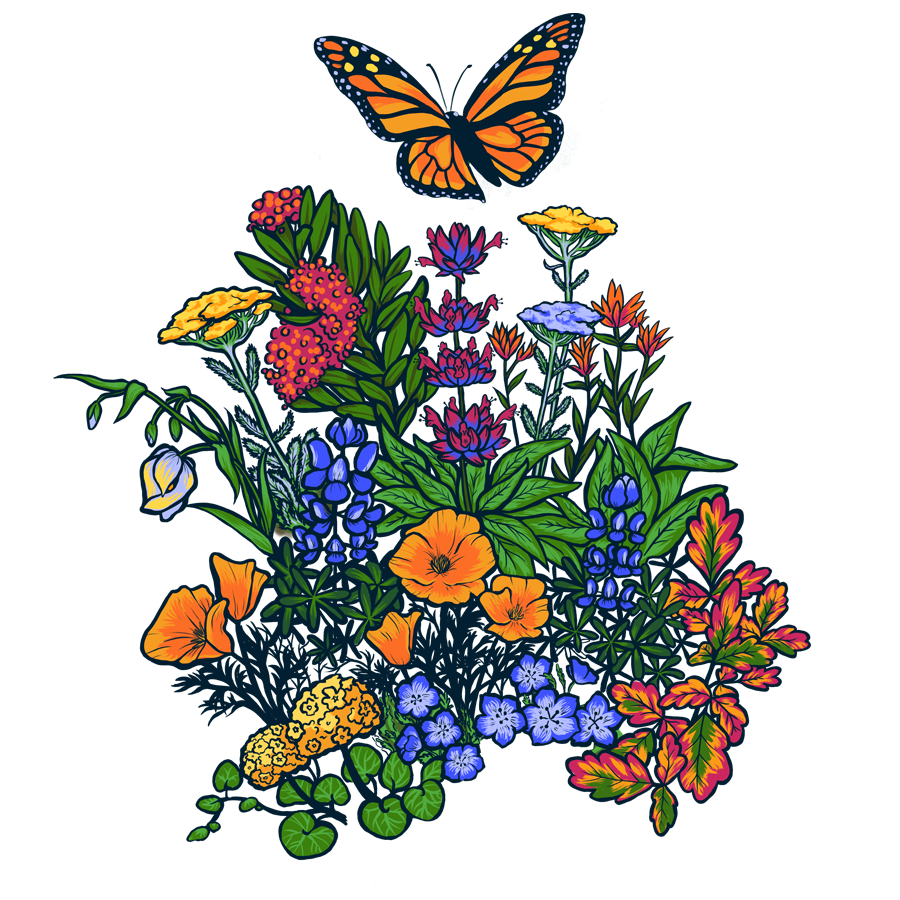
Rin Tenoso*
With a background in marine science, my art is inspired most by the ocean and its inhabitants. Living in Monterey, I spend my free time tidepooling or exploring the diverse forests of the area. Conservation and accessibility are my main goals, so I try to create stories through art to make science more relatable and understandable. As much as I draw inspiration from the natural world, I like to incorporate surreal and whimsical elements in my pieces as well. While I mainly draw digitally, I love to experiment with all kinds of different mediums from alcohol markers to clay sculptures.
-
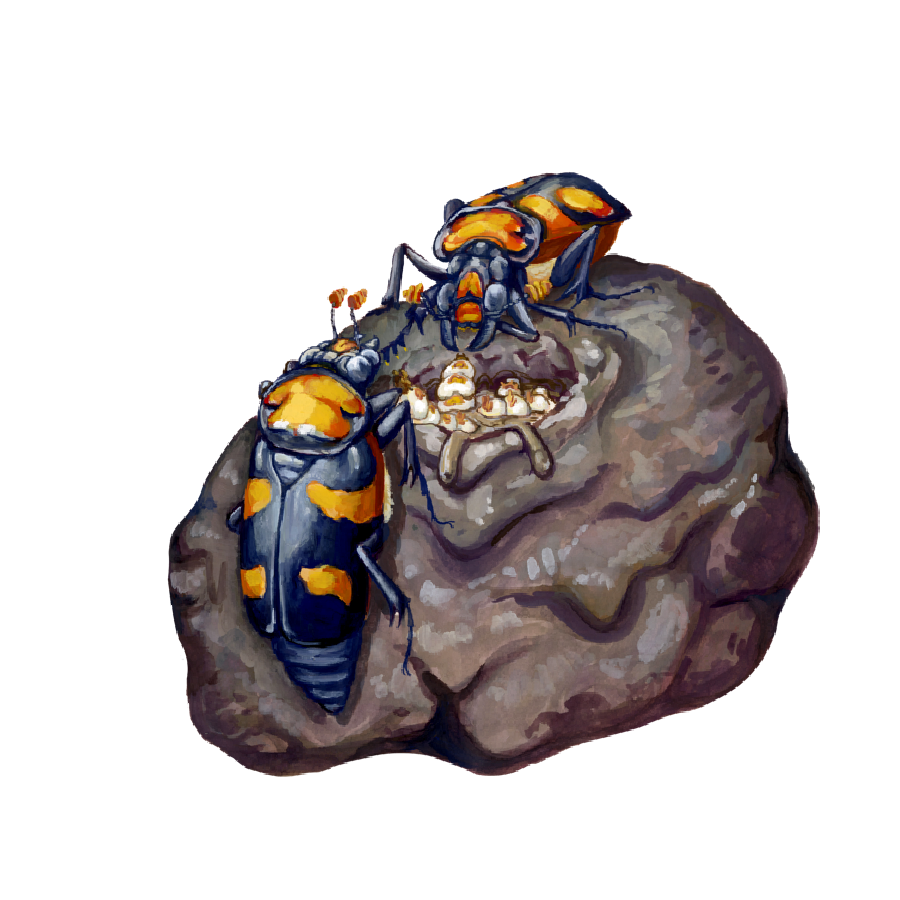
Ava Gisleson*
I’ve always been drawn to the miniature worlds found within my own, incorporating them into my artwork. During my time at college, I discovered that art and science could be incorporated into something fun and educational. As a creative person, I have always learned best through visual depictions and I want to help others in the same way and found Science Illustration that bridged those two worlds.
-
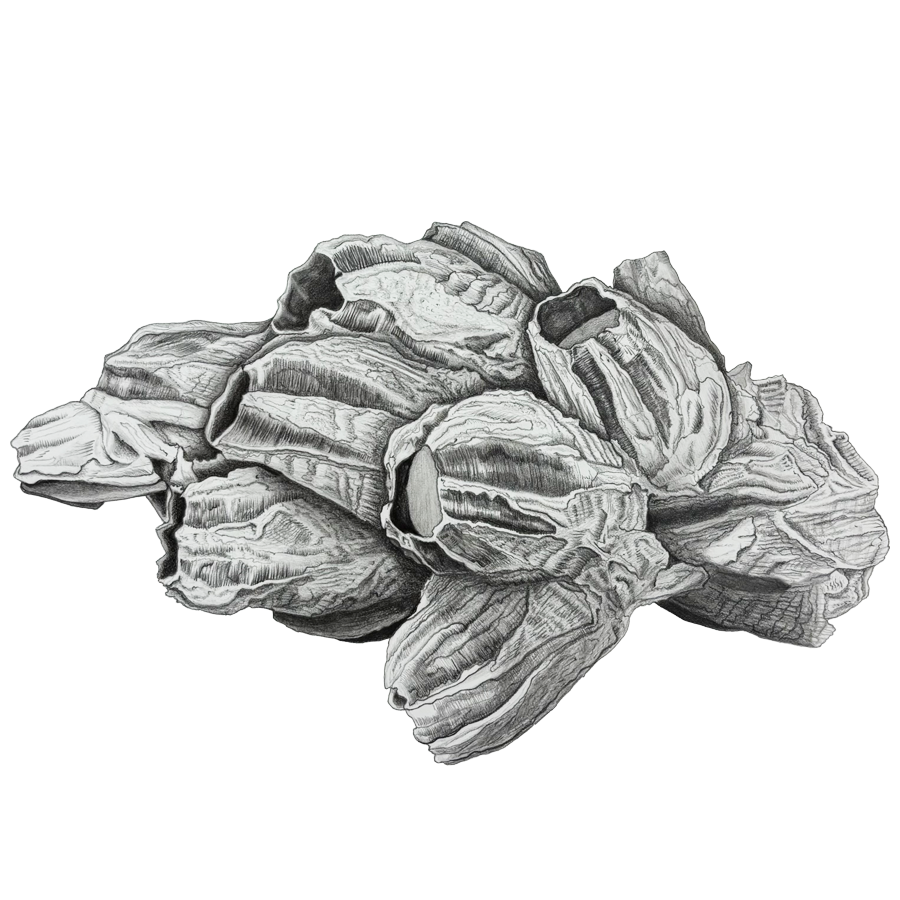
Sarai Mayer*
(she/her)
I am Washoe on my father’s side and Thai on my mother’s side. I recently graduated from the University of Washington with a Bachelor of Science degree in plant biology and a minor in American Indian studies. My art synthesizes Indigenous methodologies, the lessons passed to me by Indigenous community, and my education in plant biology, while celebrating the spirits of plants. I am passionate about highlighting the role of plants in achieving a sustainable future in collaboration with Indigenous communities, ecological restoration, and the preservation of biodiversity.
-
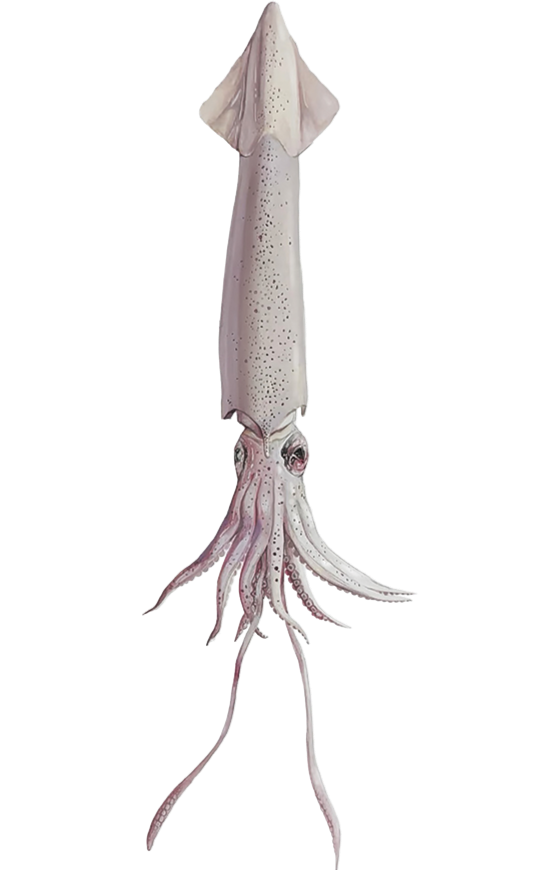
Amaya Gomez*
(she/her)
Art and science have always been a combination in my life. I do this by combining physical traditional mediums with technological engineering and arduinos. My primary body of work is experimental storytelling with influences from ecological and biological roots. I aspire to create educational opportunities as well as create experiences accessible for all audiences within my work.