
Summer Camps 2026
Discover a world of science and adventure with our 2026 Summer Camps! Your child will explore the outdoors and make new friends while doing a host of fun activities. Our camps are a Choose Your Own Adventure of fun, and depending on the camp, they might get to polish rocks, hunt for insects, inspect fossils, visit beaches and forests, perform an urchin dissection, and build strange machines. Every day is filled with new experiences, projects, games, and the outdoors, all with our award-winning education team and fantastic interns.
We’re also excited to announce a new program for our Grades 3-5 camps, which will include all-day outdoor excursions with the option of a full night at the museum!
If you’re ready to dive into a summer of fun, get more information and sign up for camps below!

Thank you Montage Health for Supporting Our Camps!
Learn More & Sign Up
-
The Pacific Grove Museum of Natural History is committed to helping every camper find their niche and blossom at Camp. We design activities that emphasize exploring nature and experiencing the outdoors in a safe, inclusive, and child-centered environment. Each camp is led by two of our highly trained and award-winning educators and supported by two high school Naturalists in Training interns who teach as they learn. Each week has a special theme where additional staff and educators bring specialized expertise and to working with campers outside on adventures and in cozy museum spaces. Campers try new things and learn about nature as they grow friendships with their fellow kids. Games, activities, science experiments, field trips, and projects build campers’ confidence as part of a team.
-
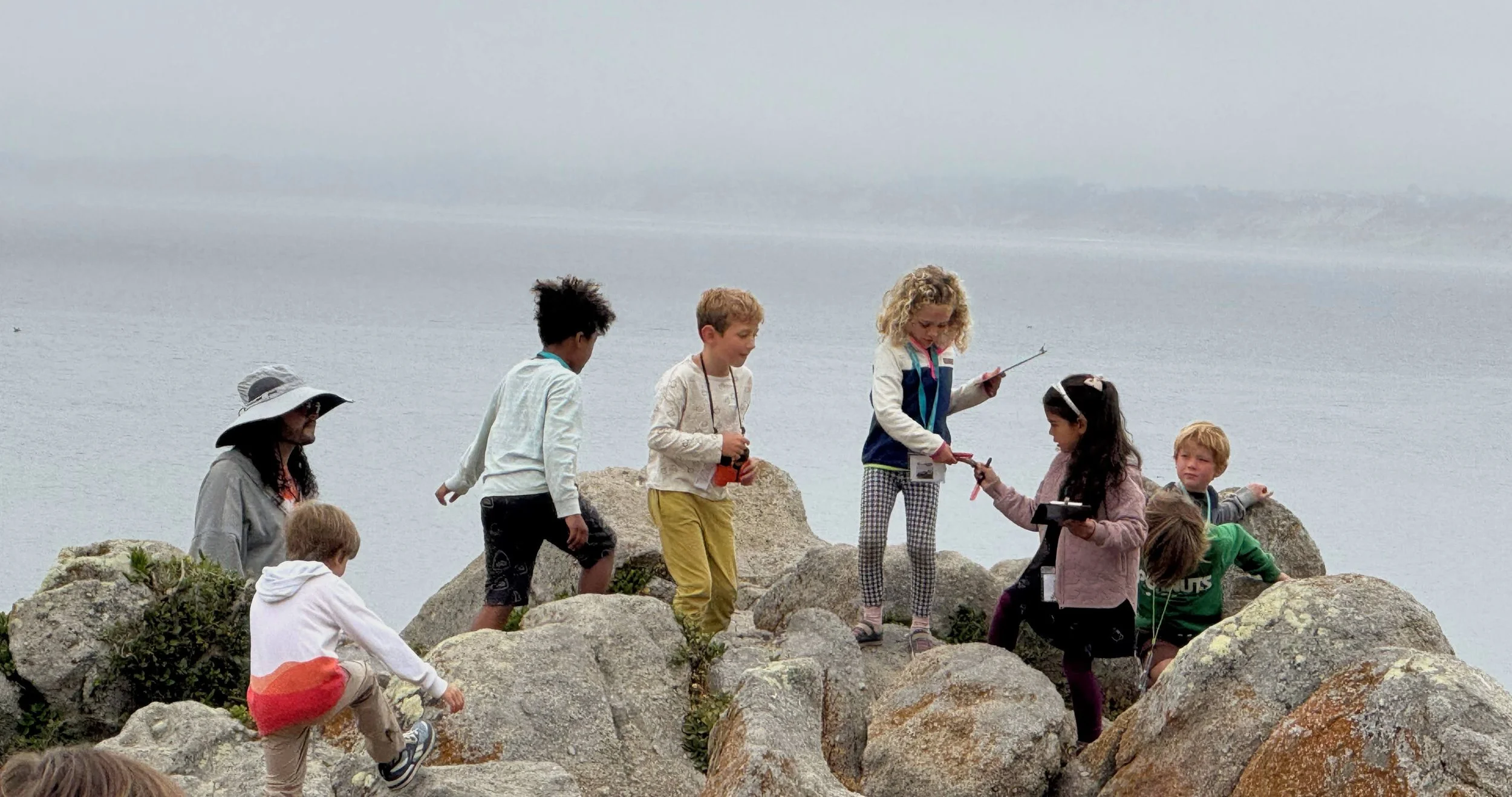
Many of our campers have been with us for several years. As they grow into Pinecone Camp, they are ready for some special adventures we reserve just for them! These 3rd –5th grade camps have a stronger focus on science, exploration, and observation. We use naturalist and scientific tools to learn more about nature, invite experts to share their knowledge, and do experiments and projects that are larger in scope and camper-directed. Field science camps will have 2 or 3 full days at a field site away from the Museum. On July 17th, anyone who has attended any Pinecone Camp this summer is invited to bring 1 adult to a Night at the Museum Camp Out! We will have dinner, a special sneak peek at the Museum’s collection, solve a Night at the Museum mystery, have an outdoor movie in our sleeping bags, and then sleep under the buckeye tree or in the bird gallery.
-
Museum Family Members & Above: $410/week
General: $460/week
Special Pinecone overnight: $100All camp scholarships for Acorn Camps have already been awarded. To apply for a Pine Cone Camp scholarship, click here.
-
If you need to cancel or reschedule your camp, please notify us at education@pgmuseum.org.
Cancellations must be made at least 2 weeks prior to the start of camp.
All refunds or reschedules are subject to a $25 administrative fee.
-
All camps will run from 9am-3pm
Lunch care will be provided but lunches must be brought from home
Pinecone Campers have the option of joining us for an extra sleepover night at the Museum! -
Registration for Family Members and above begins at 9:00am on Friday, February 13, 2026
Registration opens for the public at 9:00am on Friday, February 27, 2026Many of these camps do sell out so we encourage early signup.
If you’re interested in joining, renewing, or upgrading your membership you can do so by clicking here -
8:50 Arrival – Campers put away their backpacks, wash hands, and join the table-group activity
9:00 Opening Circle – The day begins with a game and discussion of the Plan of the Day
9:20 1st Activity – We often explore the Museum before opening or start an experiment or a project to follow all day
10:15 Snack Time – Acorns and Pinecones join together to have snack on the Museum patio and have a choice of activities such as listening to a story, building a cup castle, or working with a partner to complete a garden scavenger hunt
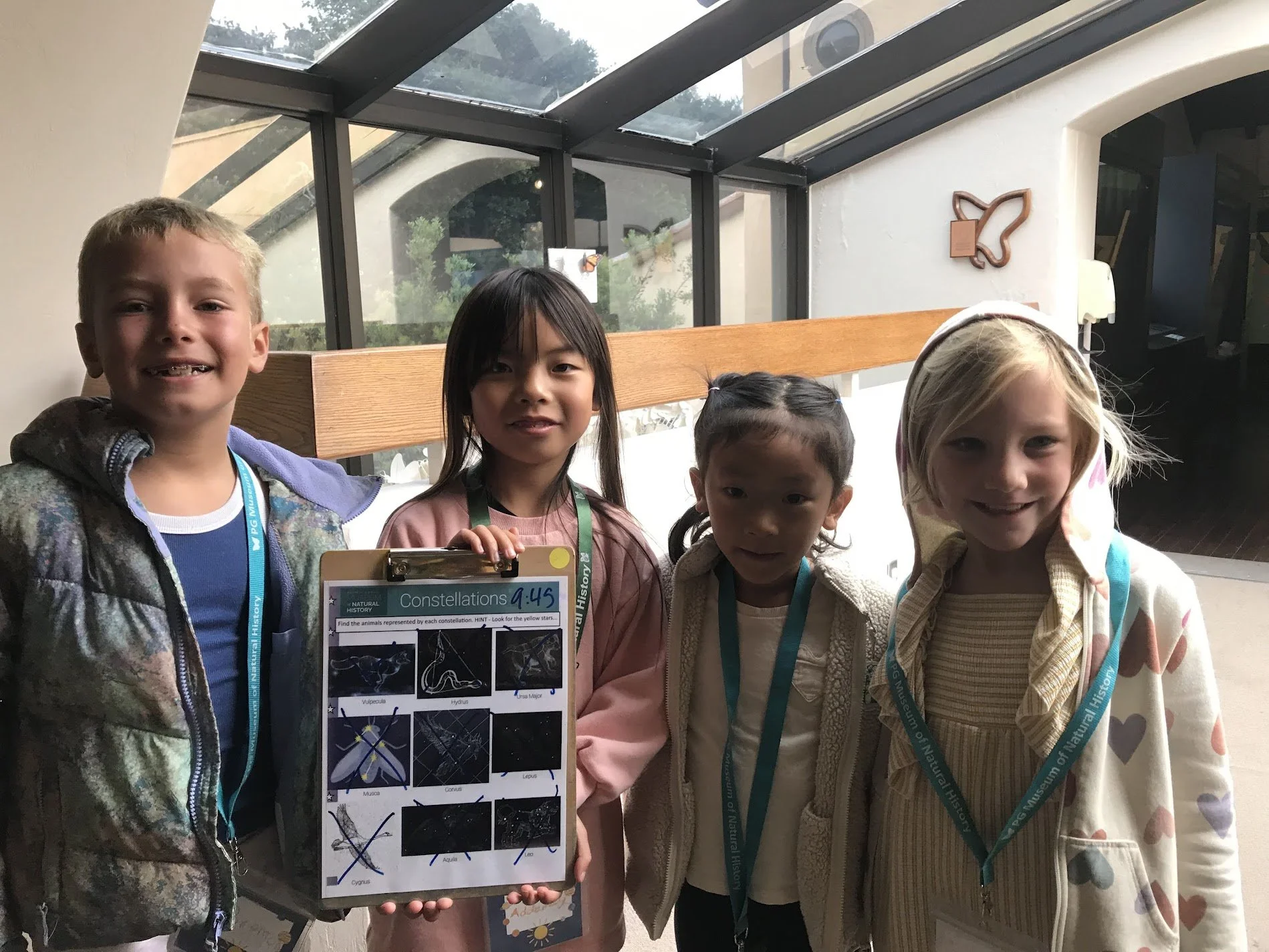
11:00 2nd Activity – We explore the topic of the camp through games, activities, experiments, and projects. We use Museum exhibits and collections to deepen the experience and emphasize hands-on and experiential learning in the Museum garden and nearby environments.
12:00 Lunch Bunch! - After everyone has a chance to eat their lunch, educators and NITs have several tools available in Jewell Park for camper-directed play. Some campers might organize a game of sharks and minnows while others build a fort or pretend they are animal trainers at a zoo.
1:00 Quiet Activity – The group re-focuses during quiet time by working on a week-long project, nature journaling, listening to a story, or other quiet activity.
1:30 3rd Activity – Each camp will go on a field trip at least 2x during the week. Favorite destinations include Lovers Point, Greenwood Park, Berwick Point, and for the most adventurous Pinecone camps – George Washington Park.
2:30 Closing Circle – The day ends with a game and reflection on what we did. Camp leaders might reveal the answer to a mystery the campers were working on or lead the campers in planning a project or outing. We preview the next day’s plan and clean up camp.
3:00 Pick up – As families arrive, we say goodbye to our new friends.
Acorn Camps
Grades K-2
Be A Scientist: June 8-12
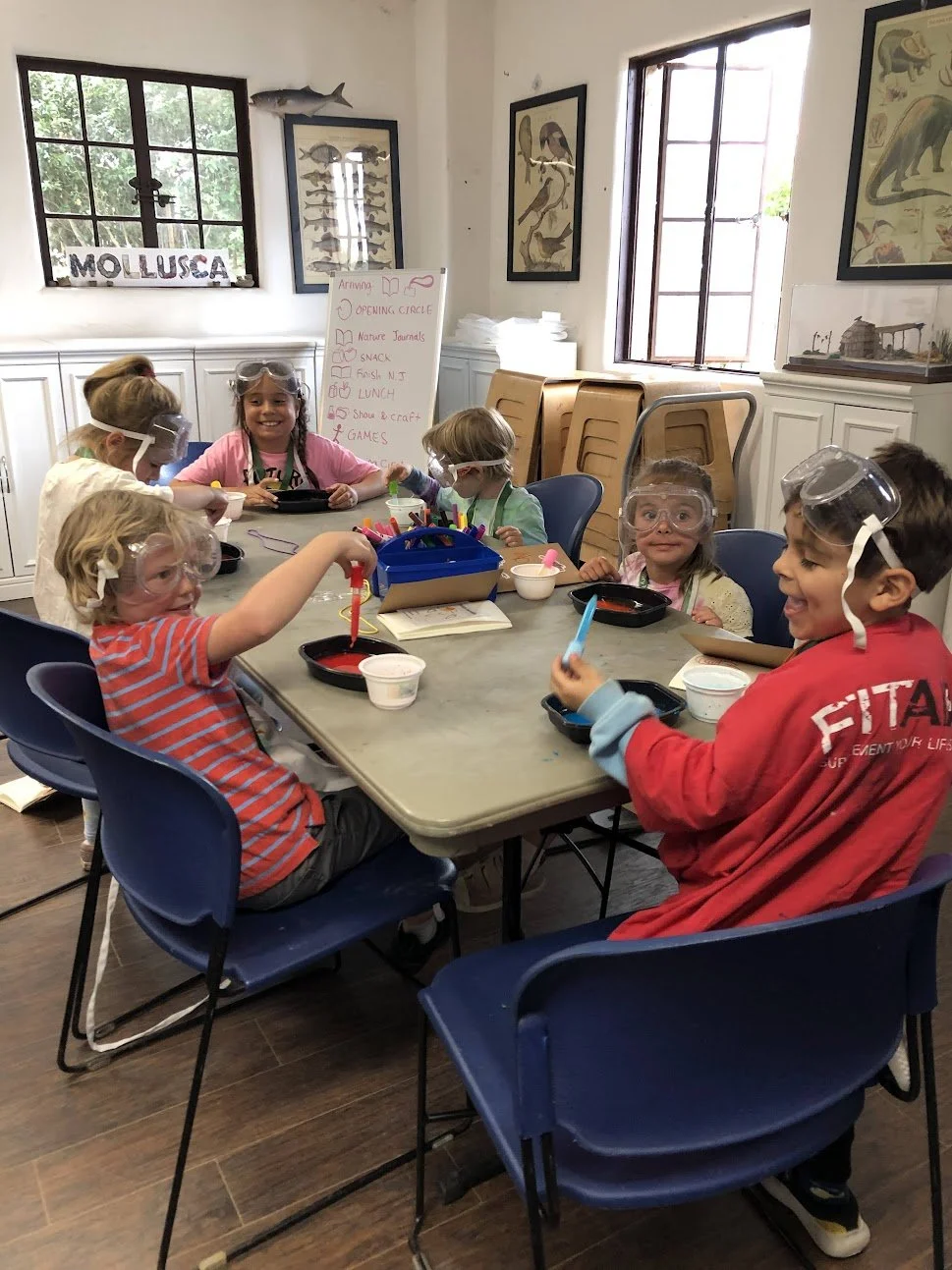
Open up a world of science in this special camp! Learn all about the different ways scientists work in fields like biology, botany, chemistry, and physics, and become a scientist yourself every day:
Perform experiments
Visit different biomes
Discover chemical reactions
Create your own mad science show
Dinos & Rocks: July 6-10
Travel back in time to explore dinosaurs, prehistoric animals, and the rocks that tell Earth’s story:
• Discover different kinds of dinosaurs and prehistoric animals
• Explore fossils and rocks
• Learn what dinosaurs ate and how they lived
• Investigate where dinosaur evidence is found today
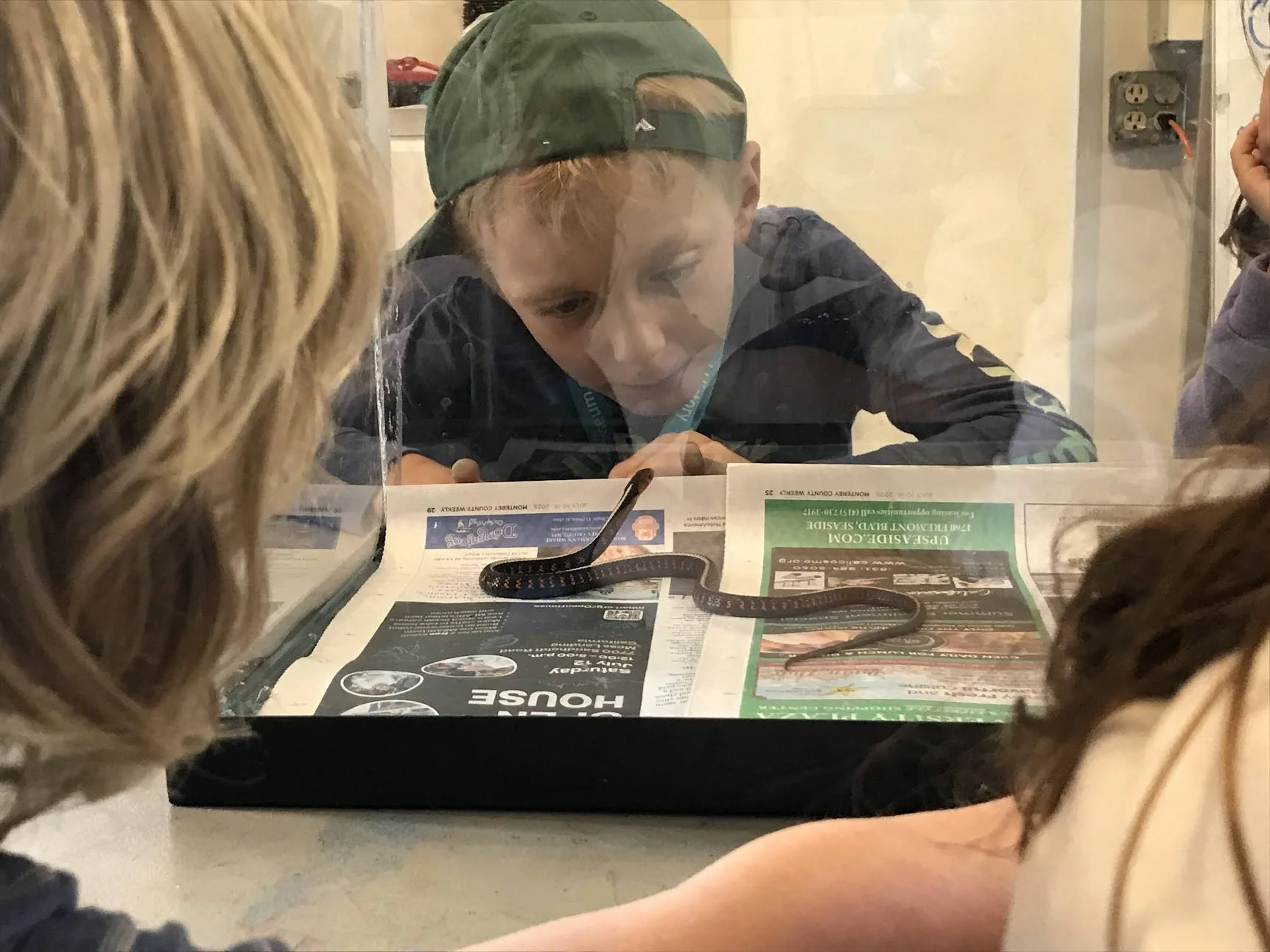
Animals & Habitats: June 15-19
Discover the amazing animals that call our region home and learn how they survive in different environments:
• Observe animals and their adaptations
•Build and test animal habitats
• Explore beaches and oceans, forests, chaparral, and wetlands
• Learn why these habitats are important to our area
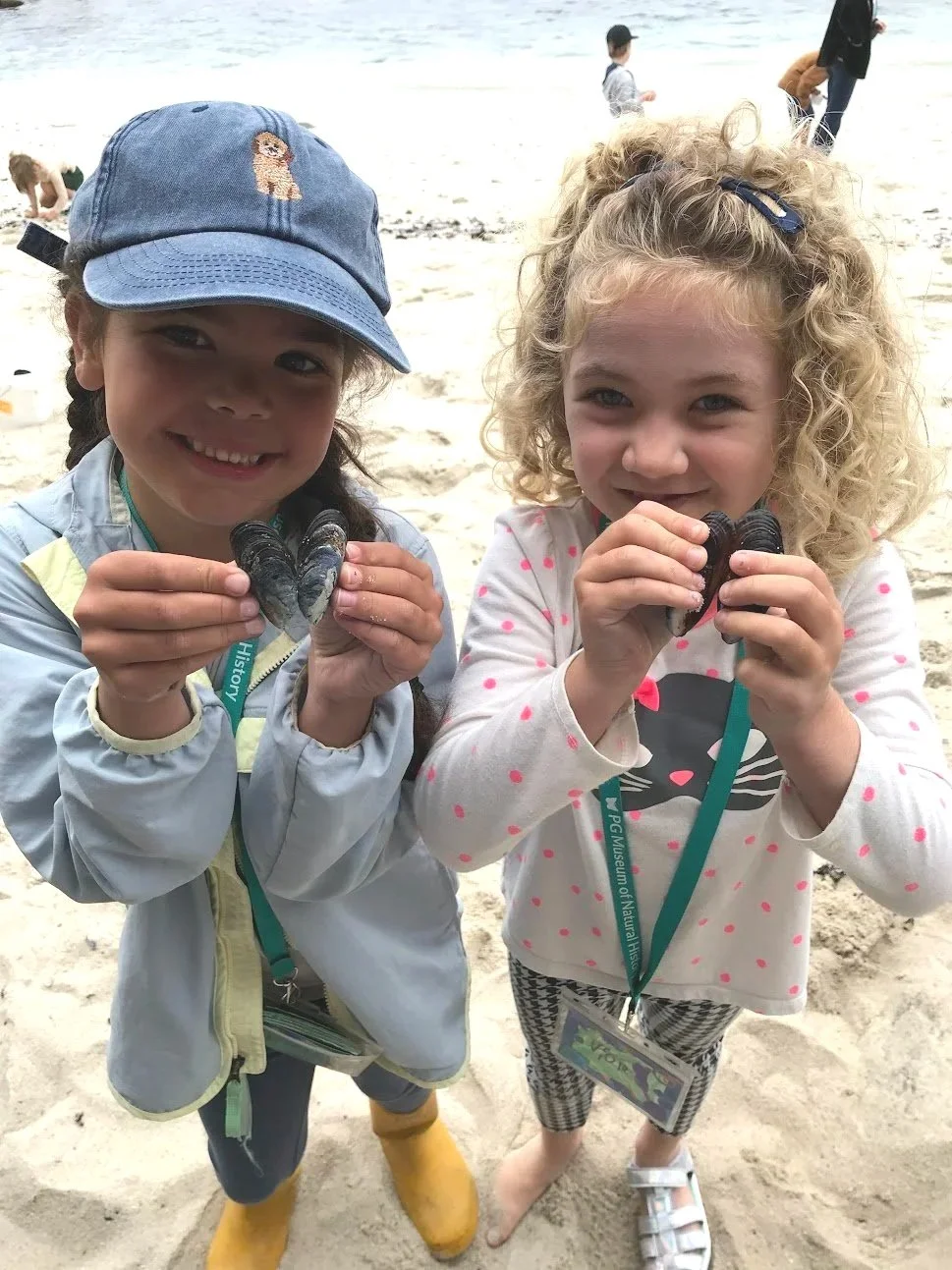
Explore the Ocean: July 13-17
Dive into the wonders of the ocean and explore coastal habitats through hands-on discovery:
• Investigate ocean layers and marine ecosystems
• Explore tidepools and sandy beach ecology
• Observe coastal animals in their natural habitats
• Experiment with ocean-themed science activities
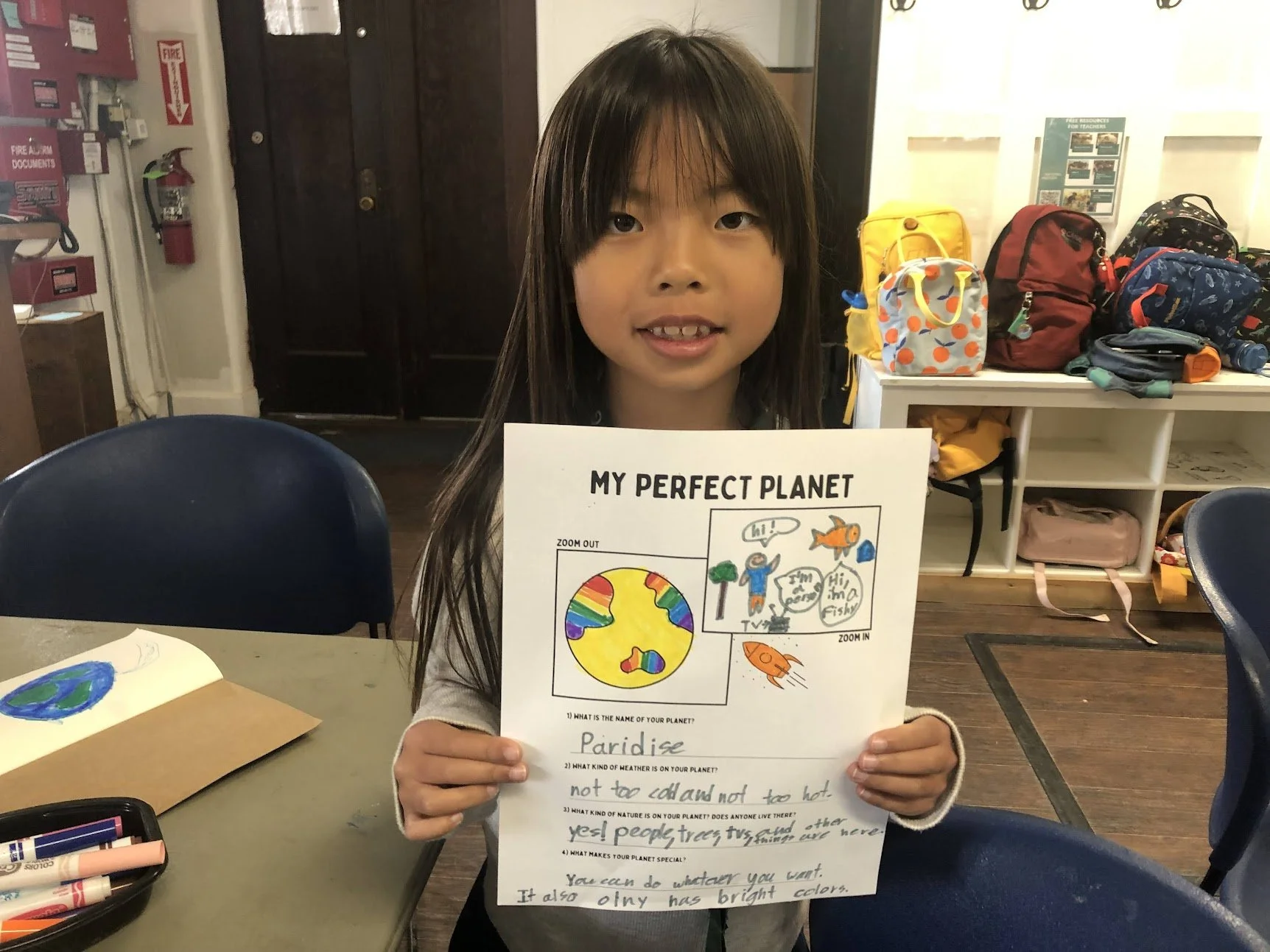
Space Exploration: June 22-26
Blast off into an out-of-this-world adventure and explore space science while becoming a space explorer every day:
• Create your own planet
• Design and launch rockets and satellites
• Explore the solar system and beyond
• Take action to protect planet Earth
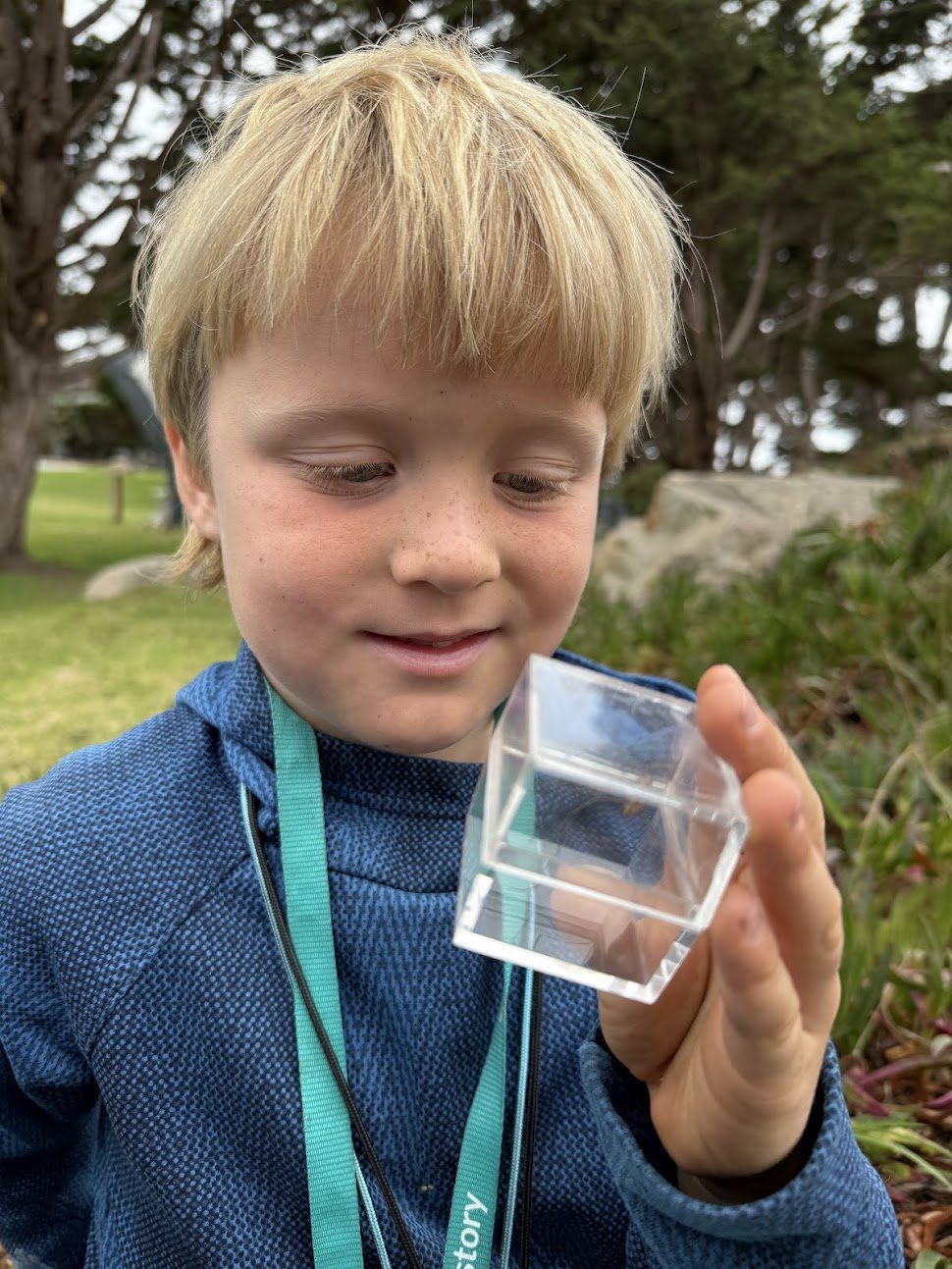
Junior Field Science: July 20-24
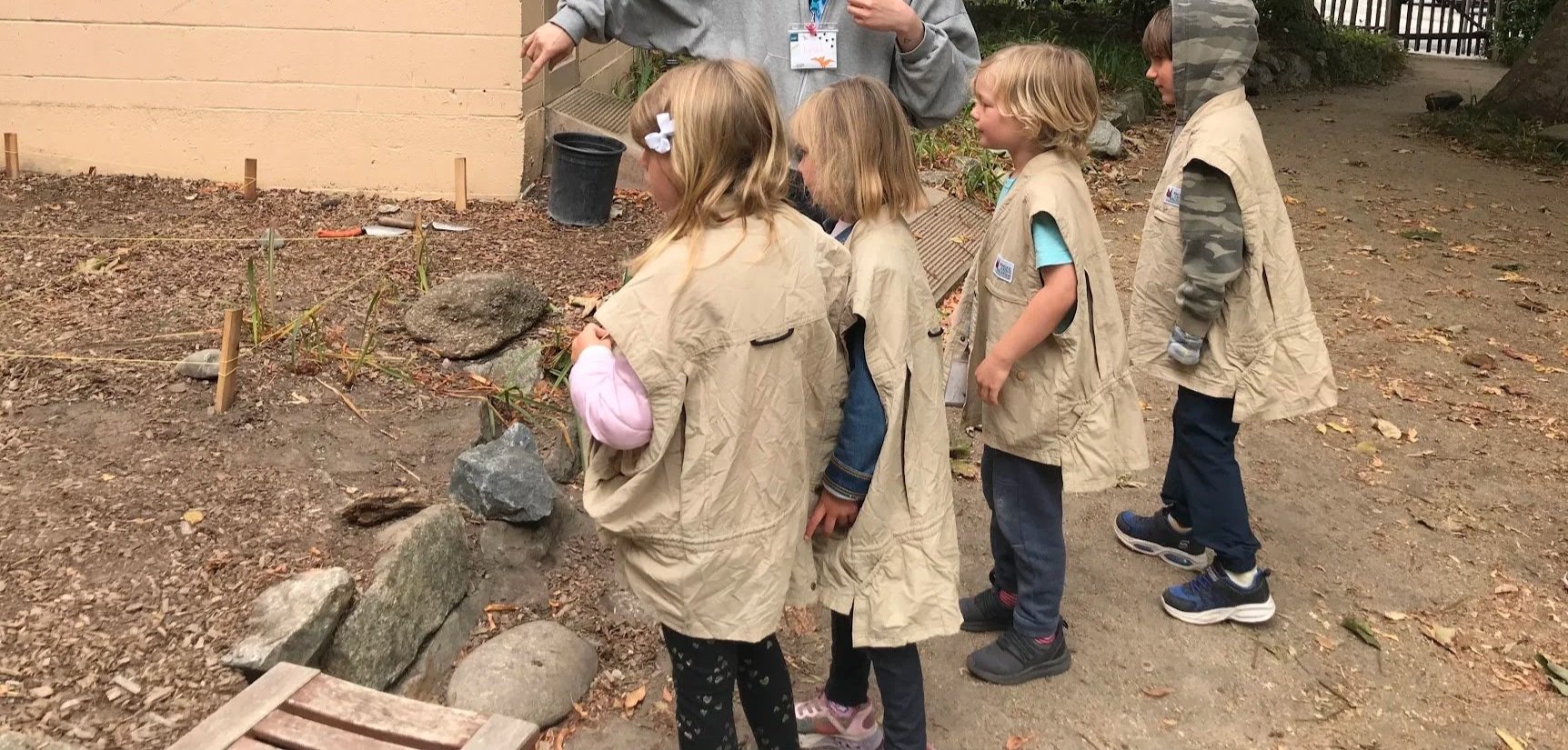
Use the tools of a naturalist as we explore the animals, plants, rocks, and insects of our local habitats.
Observe and record squirrel behavior
Make a bird and study how it flies
Sort rocks
Hunt for insects
Pinecone Camps Grades 3-5
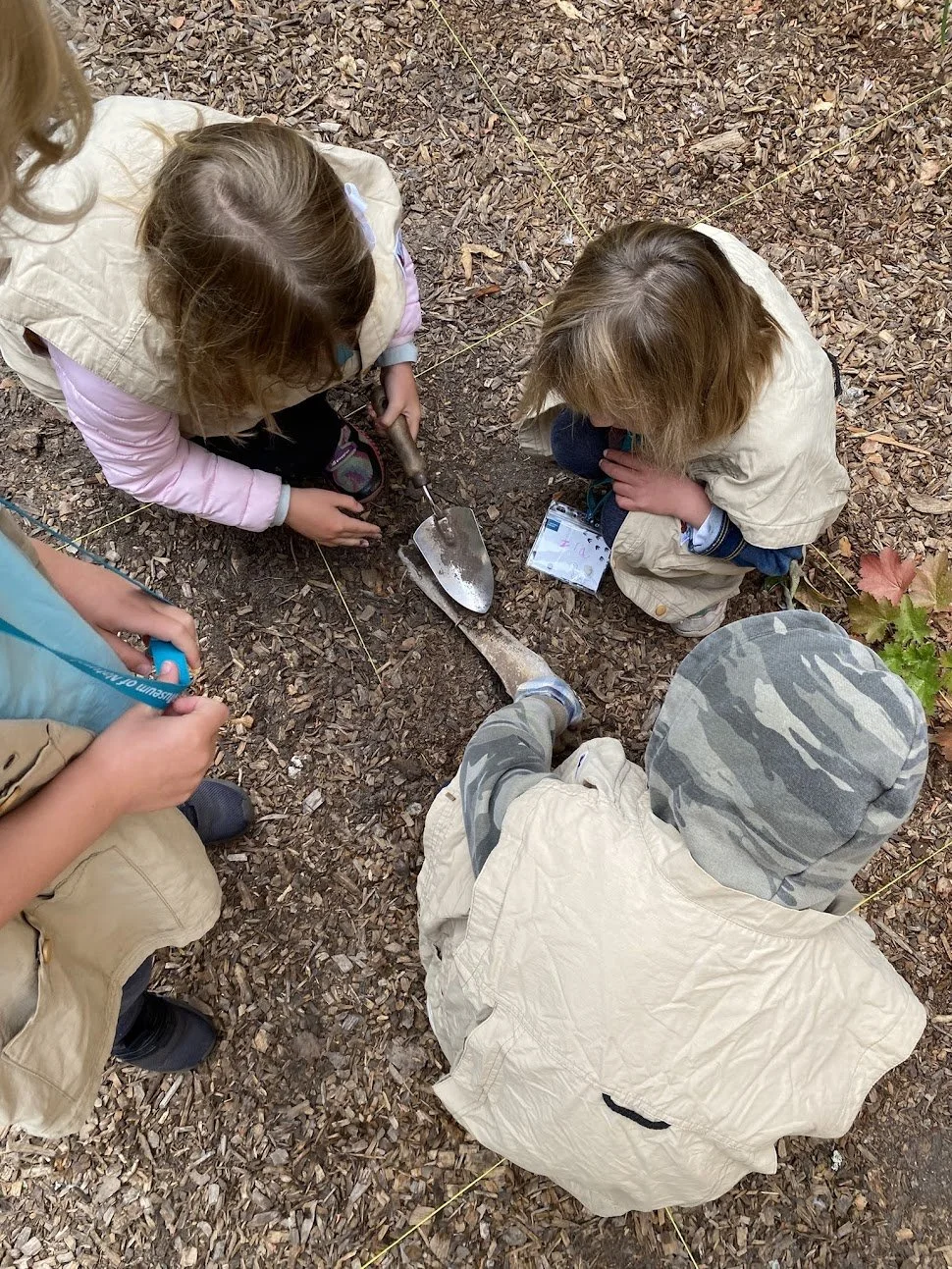
Field Science: Geology & Paleontology
June 8-12
Step into the boots of a geologist and paleontologist as we explore our local rocks and fossils through observation, experiments, games, activities, and field trips.
Polish rocks on the lapidary wheel
Identify rocks using test kits
Conduct ocean wave experiments in the lab and in the field
Build volcanos
Make fossil molds, casts, and rubbings
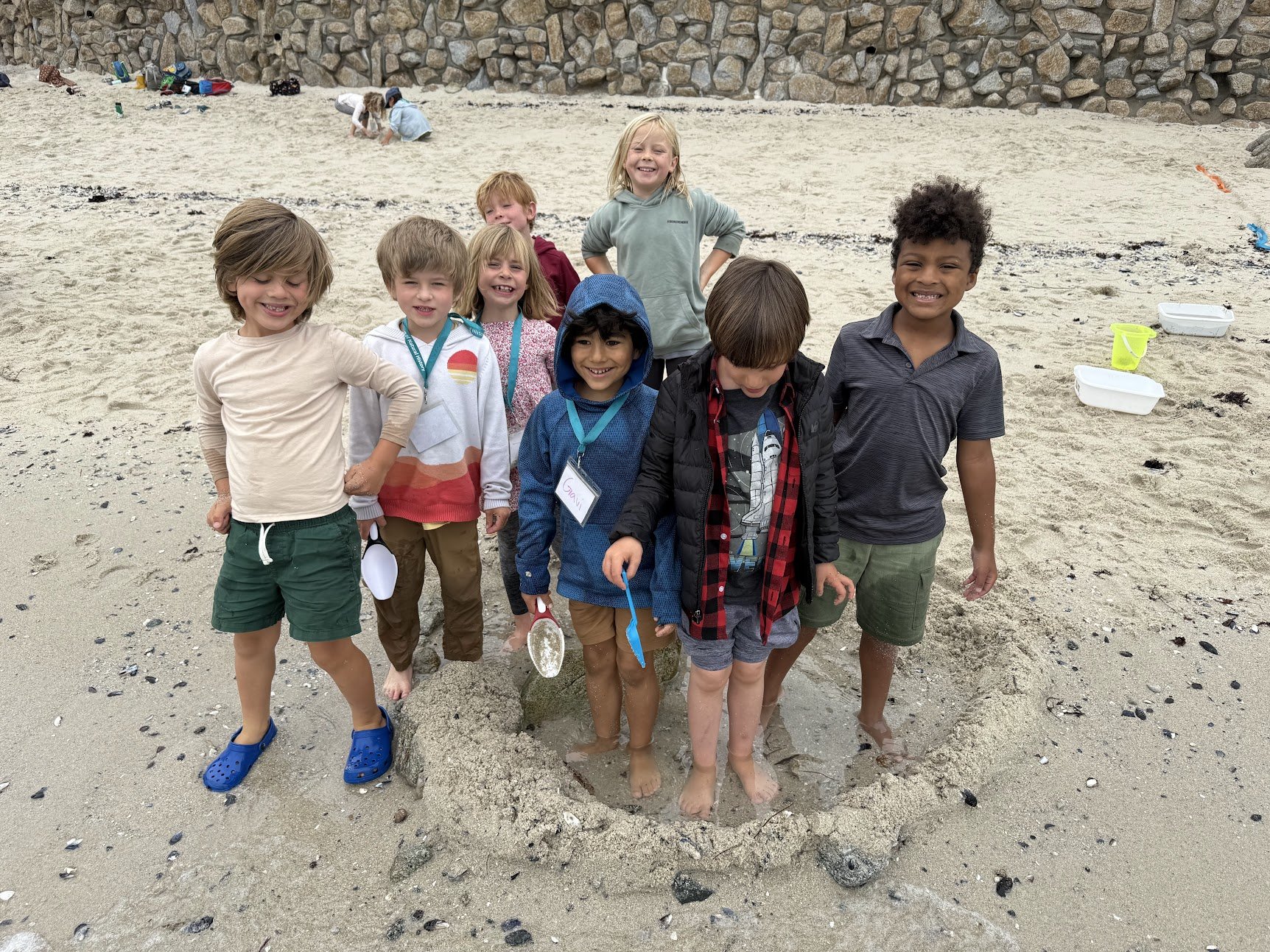
Field Science: Marine Ecology
June 15-19
Dive into the wet and wild world of the Monterey Bay! We will conduct experiments in the lab and collect data and make observations in the field.
Dissect urchins!
Conduct ocean acidification chemistry experiments
Tide pool at Lovers Point
Play plankton tag
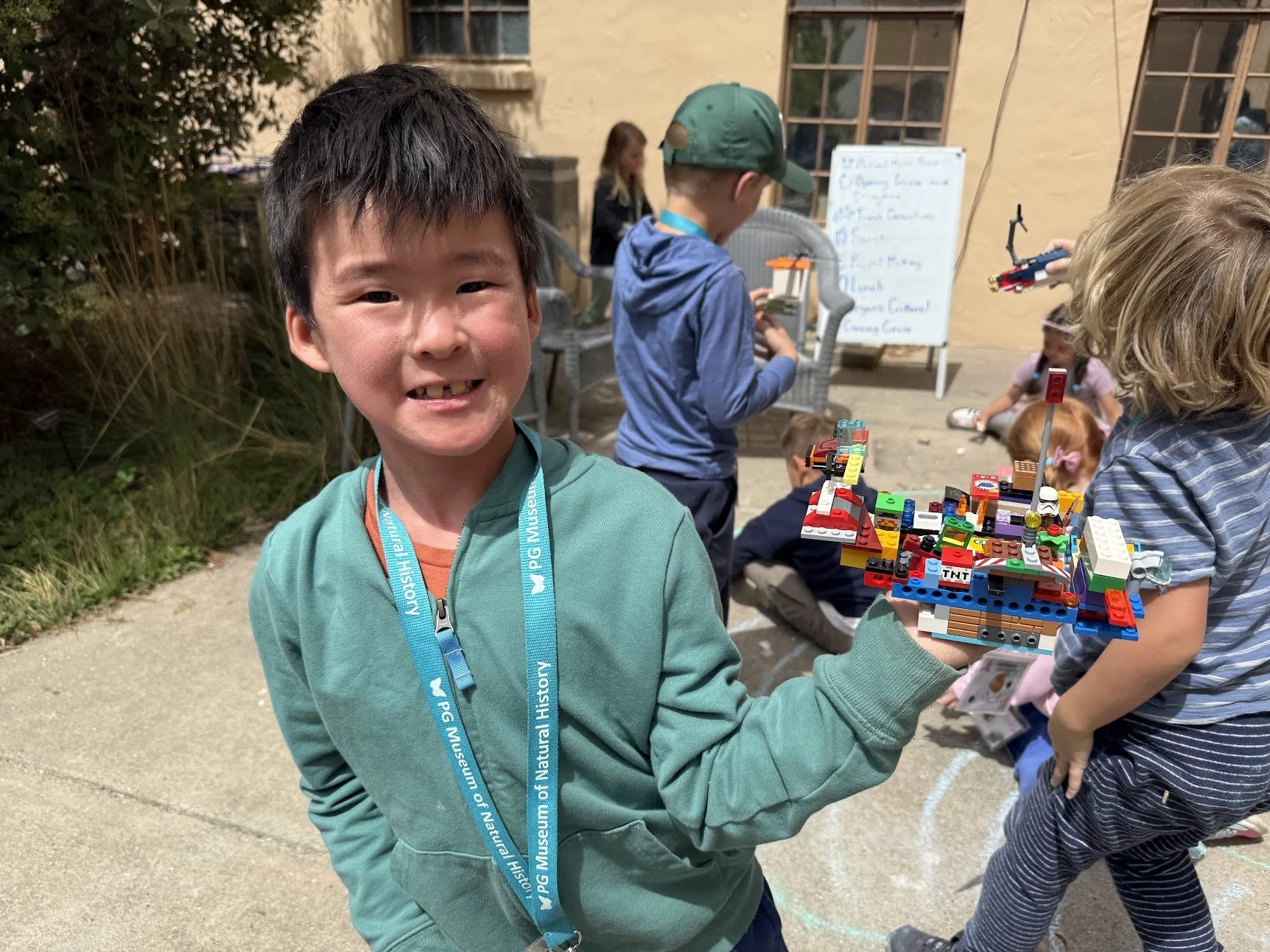
Earth & Space Engineering June 22-26
Imagine, design, and build sustainable solutions for the Earth and beyond in this hands-on workshop-based camp!
Design tools based on nature (aka biomimicry)
Build circuits and robots
Create silly machines
Prototype a mission to explore a new planet
Special Night at the Museum for Pinecone Camp Families!
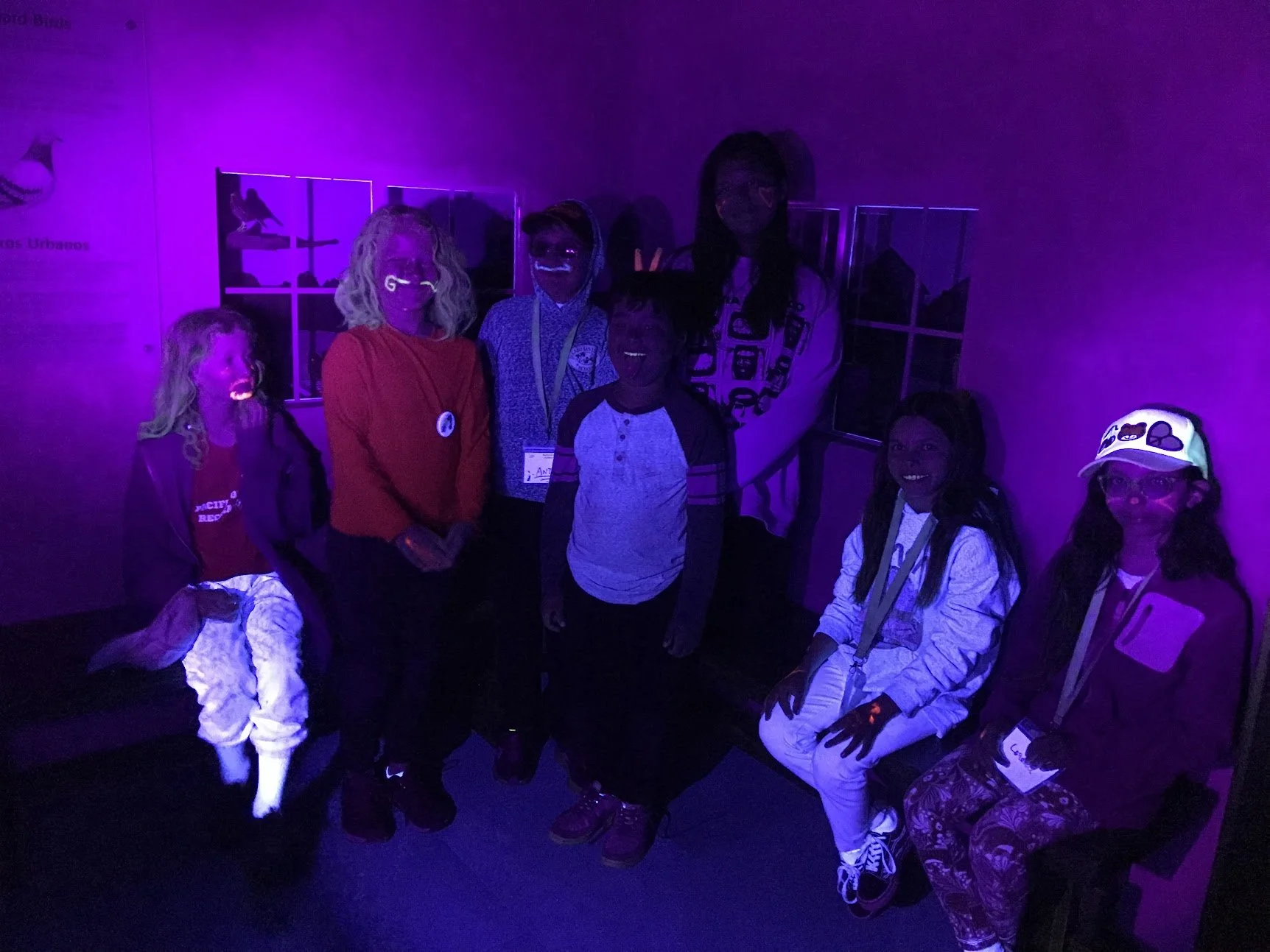
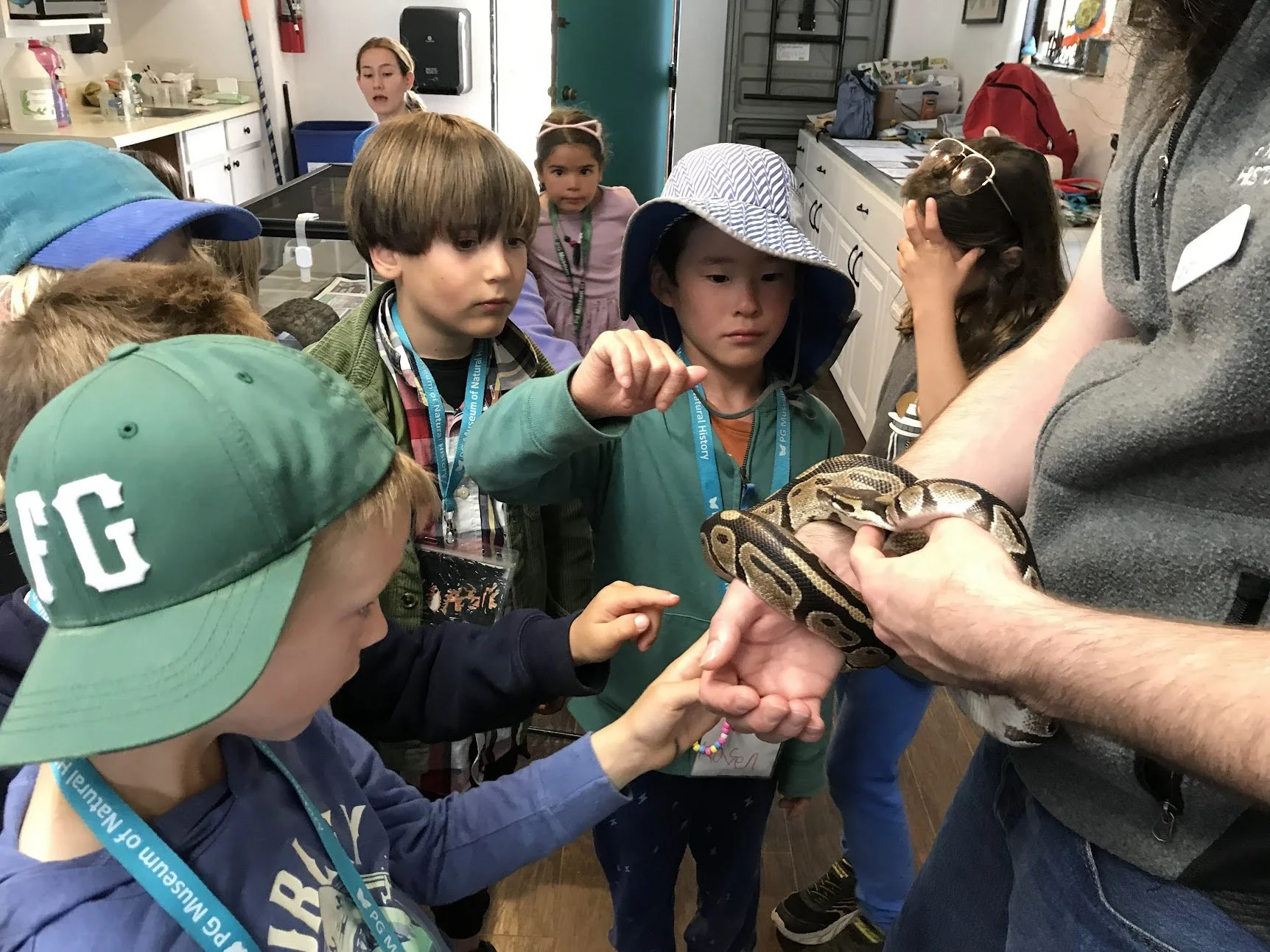
Field Science: Animals & Habitats
June 29-July 3
Calling all adventurers, scientists, and animal lovers for our field science week out in the wilderness! Campers will explore the local habitats of some of our favorite animal neighbors!
Search for insects
Participate in a taxidermy demonstration with a local scientist
Explore local habitats and observe animal behavior
Dissect and press flowers
Just for our older campers and their family members, we’ll be having a delightful Night at the Museum on July 17th! Bring your sleeping bags and pads and enjoy dinner, a special movie, activities, and a sleepover in our Main Gallery or Bird Room, followed by breakfast the next day! Each ticket is for one camper and one adult and space is limited so be sure to sign up early!